


Top Causes of Sudden Hair Loss in Young Adults

19 March 2026

Hair Experts @ AHS

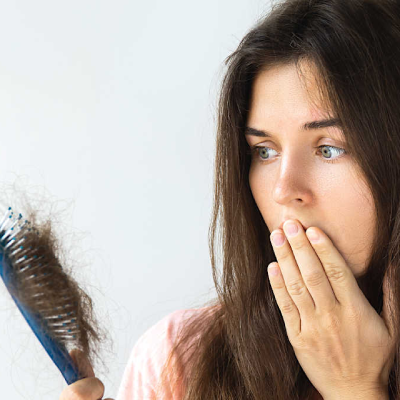
Most people associate hair loss with getting older. It is something you expect to see gradually over time, not something you deal with in your twenties. So when the signs appear earlier, like more hair in the shower, a ponytail that feels thinner, or a parting that looks wider than it used to, it can feel confusing and a little unsettling.
The truth is that hair loss in young adults is far more common than many people realise. And while it may feel sudden when you notice it, there is almost always an underlying reason behind the change.
Understanding what might be affecting your hair is the first step toward addressing it calmly and realistically. In many cases, the sudden hair loss causes are connected to everyday factors like stress, nutrition, hormones, or lifestyle habits that quietly influence hair health over time.
Hair Loss at a Young Age: Why It Feels Different
When an older person notices hair thinning, there is usually a ready explanation at hand. When it happens at 22 or 28, it feels sudden, unfair, and confusing. And that confusion is often part of the problem, and people tend to respond in one of two ways:
- They dismiss the early signs, assuming it is temporary or stress-related
- They overthink it, spiral into anxiety, and still do nothing concrete about it
Either way, time passes. And with hair loss, time matters.
Hair is one of the first places the body signals that something is off. Before you can do anything meaningful about it, you need to understand what is actually happening.
What Is Actually Causing Hair Loss in Young Adults
1. Stress That Builds Up and Then Lets Go
Most people know that stress affects the body. But only a few realize just how directly and dramatically it can affect hair and its density. There is a condition called telogen effluvium where sustained physical or emotional stress pushes hair follicles into a dormant phase prematurely. The hair does not fall immediately; it falls two to three months later, often long after the stressful period has passed.
This delay is what makes it so confusing. You clear your board exams or get through a brutal work deadline and think the worst is over, and then the hair starts shedding. Grief, illness, burnout, and even a severe fever can all set this off. The body sheds what it deprioritised during survival mode.
2. What You Are Eating (or Not Eating)
Nutrition is something that almost always takes a backseat when one dwells on the reasons for hair loss. Hair is made almost entirely of a protein called keratin, and growing it requires a steady supply of iron, zinc, biotin, Vitamin D, and protein. When any of these drop below adequate levels, the hair growth cycle suffers quietly and consistently.

Young Indians living away from home, skipping meals between shifts or lectures, or following extreme diets for weight loss are particularly at risk. The hair does not thin overnight. It is a slow withdrawal that becomes visible only after months of depletion.
3. Hormones Doing Things They Should Not Be Doing
Hormonal imbalance plays out differently in men and women, but the result is often the same: gradual, confusing hair thinning with no obvious trigger.
In young men, the usual suspect is DHT (dihydrotestosterone):
- It slowly shrinks hair follicles over time, often without any noticeable warning
- Thinning tends to show up first at the temples or crown
- In those with a family history, this can start as early as the late teens
In young women, the more common triggers are:
- PCOS, which is widely prevalent in India, often causes thinning along the parting or crown
- Thyroid imbalances, both overactive and underactive, can quietly disrupt the entire hair growth cycle
If nothing in your diet or routine obviously explains the shedding, getting hormonal levels checked is a sensible place to start.
4. A Scalp That Is Not in Good Shape
Healthy hair grows from a healthy scalp. This sounds obvious, but scalp health is something most people ignore until there is a visible problem. Chronic dandruff, seborrheic dermatitis, fungal infections, and inflammatory scalp conditions all create an environment where hair follicles are consistently under pressure.
What makes this worse is that many of the fixes people try on their own tend to backfire. Over-washing with harsh shampoos, aggressive scrubbing, or leaving thick oils on the scalp for days can compound the irritation rather than resolve it.

5. Heat, Chemicals, and the Damage That Adds Up
Straighteners, blow dryers, curling rods, and frequent chemical treatments are routine parts of many young people's grooming habits. Used occasionally, the damage is manageable. Used regularly and at high heat, the toll adds up faster than most people expect.
Here is what that looks like in practice:
- Repeated heat styling makes the hair shaft brittle and prone to breakage
- Bleaching and perming strip the hair of its protective layer over time
- Frequent colouring weakens the hair structure from the outside in
- The damage compounds gradually, so it feels sudden even though it has been building
This is not always follicle-level hair loss, but it makes existing hair thinning look and feel considerably worse.
6. Genetics
Hereditary hair thinning, also referred to as androgenetic alopecia, is the most common underlying cause of progressive hair loss in both men and women. If hair loss runs in your family, on either side, there is a real possibility of a genetic component to what you are experiencing.
Hair loss usually starts gently: a slightly wider part, a hairline that sits a touch higher than it did a year ago, or hair that feels less dense when you run your fingers through it. These early signs are easy to dismiss, which is exactly why most people seek help later than they should.
7. The Urban Indian Lifestyle Is Not Helping
Living in a metro city like Delhi, Mumbai, Pune, or Bengaluru comes with specific hair health challenges that are worth naming directly.

None of these factors works in isolation. When stress, poor diet, hard water, and late nights stack on top of each other, which they very often do in a young professional's life, the effect on hair health accelerates in ways that feel sudden but have actually been building for a while.
When Should You Actually Be Worried
- Losing 50 to 100 strands a day is normal. Beyond that, here are signs worth taking seriously:
- Shedding that feels consistently heavier than usual over several weeks
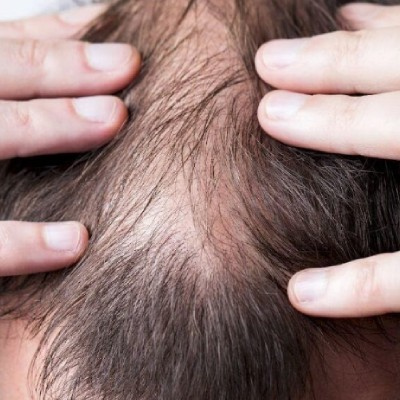
- A parting that looks noticeably wider than it did a few months ago
- Patchy thinning in specific areas of the scalp
- Hair texture that feels thinner, weaker, or less dense than before
- The scalp is becoming visible under direct light, where it previously was not
The earlier these changes are assessed, the more options remain available. A proper hair health issues check can distinguish temporary shedding from issues that require more structured attention.
Final Takeaway
Hair loss in your twenties or thirties is almost never random. Here is what is worth keeping in mind:
- There is usually a cause, sometimes one, sometimes several, quietly working together.
- Eating well supports hair health, but nutrition alone cannot reverse follicle damage that has already set in.
- The longer you wait, the narrower the window of what can be done.
- Guessing rarely helps; a proper evaluation almost always does.
If something has felt off with your hair for more than a couple of months, early clarity is always better than delayed action for your hair and for your peace of mind.
What You Should Actually Do Next
Reading about sudden hair fall causes is useful, but doing something about them is much better.
Most young adults who notice hair thinning spend months going around in circles, trying a new shampoo, picking up a random biotin supplement, and reading more articles. The hair keeps falling, and the anxiety quietly builds. And by the time they speak to someone who actually knows what to look for, more time has passed than needed to.
The honest truth is that hair loss responds far better to early attention than to delayed action. The options available at the first signs of thinning are considerably wider than the options available after significant loss has already occurred.
Advanced Hair Studio has been working with people across India on exactly these concerns for over 50 years. With our studios in Mumbai, Delhi, Bangalore, Hyderabad, Pune, Chennai, Ahmedabad, Gurgaon, Ludhiana, and Surat, the team offers a detailed Advanced Hair Check, a proper assessment of your scalp and follicle health that goes beyond guesswork or generic advice. It maps what is actually happening and what can realistically be done about it, based on your specific condition.
Whether your concern is early thinning, a hairline that has shifted, hair fall linked to stress or hormones, or something you have simply not been able to name yet, a conversation with the studio's specialists is a far more productive first step than another late-night search online.
The sooner you understand what is happening, the more you can actually do about it.
Disclaimer:
This article is intended for educational purposes only and should not be considered medical advice. Hair loss can occur for a variety of reasons and may require professional evaluation. Individual results and experiences may vary.



Stay Updated
Subscribe to our email newsletter for helpful tips and valuable resourses
Be an influencer
Join forces with Advanced Hair Studio! Explore exciting collaboration opportunities tailored for influencers. Let's redefine haircare together.
Connect now
