


Minoxidil Side Effects and Other Hair Growth Medication Risks You Should Know

29 December 2018

Hair Experts @ AHS

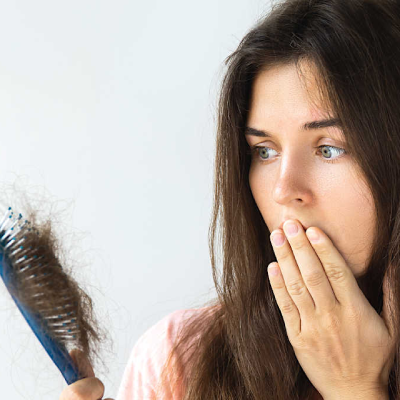
That first strand of extra hair on your pillow has a way of triggering panic. Within days, most people are searching online for a fix, and within a week, a bottle of minoxidil or a strip of finasteride tablets has usually landed in the cart. Few people pause to ask what these products are doing inside their body, not just on their scalp.
This blog breaks down what happens once you start hair regrowth medication so that you can make an informed choice rather than a reactive one. Knowing the common minoxidil side effects and risks of any medication for hair loss in advance puts you in a much better position than finding out after the fact.
How Minoxidil Works, and Where It Falls Short
Minoxidil widens the blood vessels around hair follicles, which is thought to improve circulation and extend the growth phase of each strand. It doesn't touch hormones, which is why it's considered milder than oral treatments. Milder, though, doesn't mean risk-free.
Minoxidil side effects that show up most often include:
- Redness, dryness, or itching on the application site
- Unwanted hair growth on the face or hands if the solution spreads
- A faster heartbeat or dizziness in some users, since small amounts enter the bloodstream
- Regrowth that reverses once the product is stopped, which builds long-term dependence
None of these mean minoxidil is a poor choice. They mean it needs to be used with awareness, not on autopilot.
What's Happening When Your Scalp Reacts
Two different reactions tend to appear early after starting hair regrowth medication, and confusing one for the other can lead people to either panic unnecessarily or ignore something that needs attention.
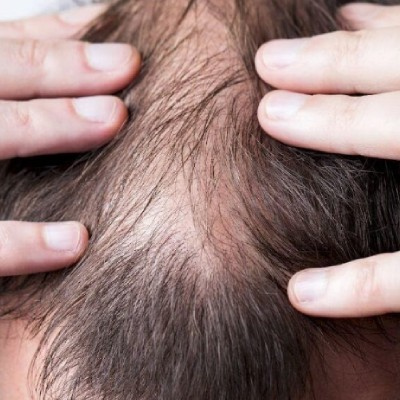
Shedding in the first few weeks is usually fine. Hair shedding after treatment happens because follicles are being pushed into a new growth cycle, releasing older resting hairs to make room for fresh ones. This typically calms down within a month, and hair shedding after treatment that continues well beyond that point is worth flagging.
Ongoing scalp irritation is not something to sit with. You'll get dryness occasionally, but if it begins to burn, flake or become inflamed, the product is not right for your skin. Scalp irritation that keeps returning even after you've adjusted how often you apply the product is a clear sign to stop and reassess.

How Our Specialists Approach Hair Loss Differently
Confidence takes a hit when hair loss becomes visible, and that pressure often pushes people toward whichever product is easiest to find rather than the one that fits their actual cause. Self-treating with medication for hair loss, without understanding what's driving it, often means months lost on a solution that was never going to work.
Our specialists at Advanced Hair Studio India begin with a thorough assessment of the scalp and hair history before suggesting a course of action, whether the concern is scalp irritation, ongoing hair shedding after treatment, or a more serious adverse effect from hair growth medication you've noticed. Depending on the findings, that might involve non-surgical hair replacement, Cosmetic Hair or Cosmetic Skin solutions, or a transplant technique such as FUE, FUT, or DHI for more advanced cases. Each recommendation is built around your individual scalp and hair pattern, not a product picked at random off a shelf.
If hair fall has been bothering you, the next step is a proper conversation, not another bottle of hair regrowth medication. Reach out to the studio and speak with a specialist who can help you understand exactly what's happening with your hair.
One Topical Hair Loss Solution Cannot Fix Every Type of Hair Fall.
Hereditary baldness, nutritional deficiency, chronic stress, and scalp infections all cause hair loss, but they don't respond to the same treatment. A topical hair loss solution designed for hereditary thinning won't do anything for hair fall caused by low iron or an underlying scalp condition.
Applying the wrong product doesn't just fail to help. It delays the point at which you actually get a proper diagnosis and start treatment that fits your case. Even the most trusted topical hair loss solution on the market will underperform if it isn't matched to what's actually causing your hair fall. Nutrition can support the follicles that are still active, but even the most disciplined diet cannot regrow hair in areas that are already bald.
Warning Signs That Need Immediate Attention
Some reactions fade on their own. Others are your body signalling that it's time to stop and get proper guidance. Being able to recognise adverse effects of hair growth medicine quickly makes a real difference to how easily they resolve. Pay attention to:
- A rash or burning sensation lasting more than two weeks
- Swelling or tenderness around the chest
- Unexplained mood changes or fatigue that began after starting the medication
- Any new, unusual symptom that doesn't resolve
Treat any of these as reasons to pause the product and consult a specialist rather than waiting to see if they pass. The adverse effects of hair growth medicine listed above should never be managed alone, especially when a symptom overlaps with an existing health condition.

How Our Specialists Approach Hair Loss Differently
Confidence takes a hit when hair loss becomes visible, and that pressure often pushes people toward whichever product is easiest to find rather than the one that fits their actual cause. Self-treating with medication for hair loss, without understanding what's driving it, often means months lost on a solution that was never going to work.
Our specialists at Advanced Hair Studio India begin with a thorough assessment of the scalp and hair history before suggesting a course of action, whether the concern is scalp irritation, ongoing hair shedding after treatment, or a more serious adverse effect from hair growth medication you've noticed. Depending on the findings, that might involve non-surgical hair replacement, Cosmetic Hair or Cosmetic Skin solutions, or a transplant technique such as FUE, FUT, or DHI for more advanced cases. Each recommendation is built around your individual scalp and hair pattern, not a product picked at random off a shelf.
If hair fall has been bothering you, the next step is a proper conversation, not another bottle of hair regrowth medication. Reach out to the studio and speak with a specialist who can help you understand exactly what's happening with your hair.

Come To Us at Advanced Hair Studio & Get Answers To All Your Questions:
We Are Pioneers In Hair Care Industry With An International Reputation!



Stay Updated
Subscribe to our email newsletter for helpful tips and valuable resourses
Be an influencer
Join forces with Advanced Hair Studio! Explore exciting collaboration opportunities tailored for influencers. Let's redefine haircare together.
Connect now
