


Why Your Hair Fall Is Not Stopping (Even After Trying Everything)

12 May 2026

Hair Experts @ AHS

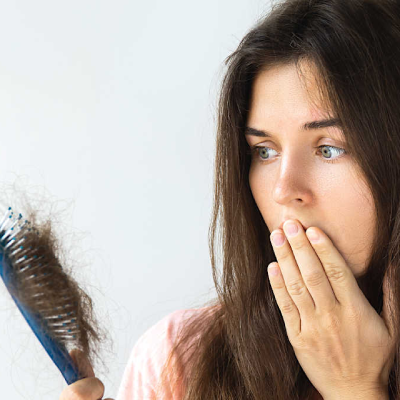
Time is evolving. The shampoos have changed, the supplements have been added to the routine, and oils, scalp massages, and every product that received strong online recommendations have all been tried at some point. And yet, the hair on the comb and in the shower drain tells the same story it always has.
This is not an uncommon place to be. A significant number of people spend months cycling through hair fall treatment options without ever getting to the bottom of why the shedding is happening in the first place. The effort is genuine, but the direction is off, and that gap tends to keep the problem in place.
According to the National Institutes of Health, hair loss affects a considerable proportion of both men and women and involves causes that vary widely from person to person. Unless the actual cause of hair fall is correctly identified, even well-considered solutions may not deliver meaningful improvement.
If your hair fall is not stopping despite trying multiple approaches, what follows may help explain why.
You May Be Treating the Symptoms Instead of the Cause
The most common reason hair fall persists is that treatment targets shedding rather than the underlying driver. Two people with similar thinning may have entirely different causes behind it. The table below outlines frequently encountered reasons and why they go unidentified:

Without identifying which of these is at play, hair fall control efforts become scattered, which is where most self-directed plans quietly stall.
Hair Fall Usually Starts Before You Notice It
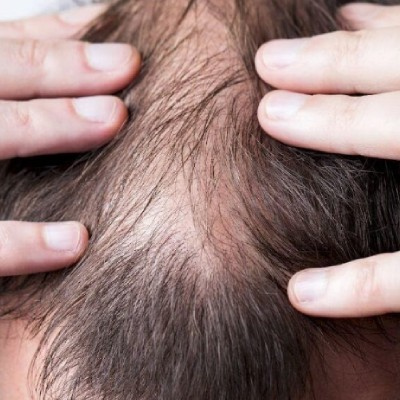
By the time someone searches for ways to stop hair fall, the process has often been underway far longer than they realise. Follicle miniaturisation, where strands gradually become finer before visible thinning appears, can develop over months or years. Earlier assessment keeps more options open; once follicles have been inactive for an extended period, the range of suitable approaches narrows.
Stress Can Affect Your Hair More Than You Think
The American Academy of Dermatology notes that stress-related shedding, known as telogen effluvium, typically appears several months after the trigger. By then, most people no longer see the connection. Stress-related factors that frequently go unrecognised:
• Prolonged sleep disruption or chronic fatigue
• Major physical events such as illness, surgery, or significant weight change
• Sustained emotional pressure that builds gradually
• Nutritional shifts that occur during or after a stressful period
Even when stress is not the sole cause, it can worsen existing hair fall patterns and slow recovery.
Supplements Alone May Not Solve the Problem
Nutrition matters for hair health. The National Institutes of Health Office of Dietary Supplements outlines how biotin, iron, and zinc support cell function, including within hair follicles. Correcting a genuine deficiency can reduce shedding and improve strand quality. But supplements reach their limit where follicles have already become dormant:

For those who have spent years relying on supplements while progressive thinning continued quietly, this distinction tends to arrive as a difficult realisation.
Social Media Often Creates Unrealistic Expectations
Heavily edited before-and-after content makes results look immediate, and the process looks simple. A few things worth knowing before measuring progress against what you have seen online:
• Hair follicles move through biological cycles; improvement builds gradually, not all at once
• Meaningful density changes take several months of consistent treatment
• Progress in person is often subtler than peak-outcome photographs suggest
• Online content rarely shows the full timeline, maintenance involved, or modest outcomes
People who expect rapid change tend to leave approaches that were working, simply because the pace did not match the images.

Your Scalp Health Might Be Overlooked
Hair growth is directly dependent on the condition of the scalp it comes from, and this is an area that receives far less attention than the strands themselves.
Scalp conditions that can quietly interfere with hair fall control:
• Excess sebum buildup blocking follicle openings
• Dandruff or persistent inflammation affecting the surrounding tissue
• Product residue accumulating over time and disrupting the scalp environment
• Poor scalp circulation limits the nutrient supply to active follicles
A professional scalp assessment often identifies these concerns early and allows them to be addressed as part of the overall plan rather than discovered later when treatment has already stalled.
Constantly Switching Treatments Can Make Things Worse
Frustration leads to frequent changes: a new oil, then a supplement, then a medicated shampoo, then a device seen online. Each switch feels like progress, but rarely functions as one. Most treatments need sustained consistency before any meaningful assessment can be made, and changing course before that window closes makes it difficult to know what was actually helping.
Not Everyone Needs the Same Solution
There is no single hair fall treatment that works across every individual and every stage of loss. The right approach depends on the cause, how far it has progressed, and the outcome the person is working toward:

Note: The above is for general awareness only. Suitability for any approach depends on individual scalp health, follicle condition, and a thorough professional assessment.
Hair Regrowth Requires Patience
This is the part most people find genuinely hard, not because it is surprising, but because slow progress feels different when it is your own hair.
• Early changes in shedding or texture may appear within a few months, though these are often subtle
• Visible density improvement builds gradually rather than arriving as a single noticeable shift
• Fuller results continue developing well past the point where many people have already lost confidence
Setting realistic expectations at the start makes a more significant difference than most people anticipate.
Honest Guidance Matters More Than Big Promises
If a clinic or product leads with dramatic transformation claims and guaranteed timelines, it is worth slowing down before committing. Hair loss is personal in a way that general advertising simply cannot account for, and how any individual responds to treatment depends on factors that vary considerably from one person to the next.
What to look for in a consultation worth trusting:
- A specialist who asks about history, lifestyle, and scalp condition before recommending anything
- Clear communication about what is realistically possible for your specific stage and cause of hair loss
- An honest conversation about timelines, maintenance, and what the process actually involves
- No pressure toward a particular solution before a proper assessment has taken place
The consultations that tend to lead to the best outcomes are the ones that are straightforward about limitations from the beginning, not just the possibilities.
Final Thoughts
If your hair fall has continued despite genuine effort, it is rarely because nothing can help. In most cases, the issue lies in a gap between the treatment being tried and the actual cause, or between expectations and how hair biology works.
Advanced Hair Studio India has spent over five decades helping clients through this kind of frustration. The studio’s specialists take time to understand each individual’s hair fall history and scalp condition before discussing what may realistically help.
Disclaimer
The information in this blog is for general awareness and educational purposes only and does not constitute medical advice. Hair loss conditions vary significantly from person to person. Readers are encouraged to consult a qualified hair specialist before beginning, adjusting, or stopping any hair treatment. Results depend on individual health, scalp condition, and stage of hair loss.



Stay Updated
Subscribe to our email newsletter for helpful tips and valuable resourses
Be an influencer
Join forces with Advanced Hair Studio! Explore exciting collaboration opportunities tailored for influencers. Let's redefine haircare together.
Connect now
