


Understanding the Norwood Scale for Male Pattern Baldness

26 June 2026

Hair Experts @ AHS

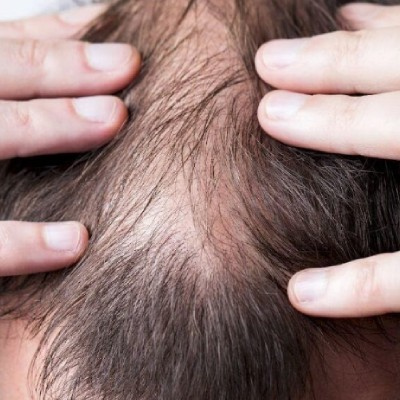
Most men notice it gradually, in the small, easy-to-dismiss details: a forehead that looks slightly higher in photographs than it used to, a crown that seems thinner under harsh bathroom lighting, a comb that collects more hair than it once did. Male pattern baldness rarely arrives with any fanfare, and that slow progression is precisely what makes it so easy to brush aside until it becomes genuinely difficult to ignore.
Most men notice it gradually, in the small, easy-to-dismiss details: a forehead that looks slightly higher in photographs than it used to, a crown that seems thinner under harsh bathroom lighting, a comb that collects more hair than it once did. Male pattern baldness rarely arrives with any fanfare, and that slow progression is precisely what makes it so easy to brush aside until it becomes genuinely difficult to ignore.
For many men, the uncertainty is the hardest part. Not knowing whether what they are seeing is normal shedding or the beginning of something more permanent, and not knowing where to begin when it comes to finding answers.
That is the gap the Norwood Scale was built to close. The Norwood Hair Loss Scale gives both specialists and individuals a common language for describing what is happening on the scalp, how far things have progressed, and what may reasonably lie ahead. Understanding the Norwood Scale is often the first real step toward having an informed, grounded conversation about hair loss and what can be done about it.
What Is the Norwood Scale?
The Norwood Hair Loss Scale, developed by Dr O'Tar Norwood, is the most widely used classification system for measuring and describing the progression of male pattern baldness. It gives hair restoration specialists and clients a shared reference point for discussing what is happening on the scalp and what may lie ahead.
The scale runs from Stage 1 through Stage 7:

Because baldness progression unfolds over years rather than months, the male pattern baldness scale offers a structured way to track where things stand and how they may develop over time.
Why Understanding Your Hair Loss Stage Matters
A surprising number of men wait far longer than necessary before seeking guidance, often because they are not sure how significant their hair loss actually is. Knowing your position on the Norwood Scale changes that.
Understanding your hair loss stage may help you:
- Track changes over time rather than relying on memory or guesswork
- Recognise early thinning before it becomes more visible to others
- Have more informed conversations with hair restoration specialists
- Explore suitable management options while more of them are still available
- Build realistic expectations around what hair restoration can and cannot achieve
The Norwood Scale does not predict your future with certainty, as a unique combination of genetics, hormones, and health shapes every man's experience of hair loss. What it does offer is clarity, and that clarity is genuinely useful.
How to Identify Your Norwood Scale Stage
Placing yourself on the Norwood hair loss scale involves looking honestly at three areas of the scalp.
1. Evaluating Your Hairline
The frontal hairline is usually where male pattern baldness makes its first appearance. Recessions tend to begin at the temples, gradually forming the M-shape that characterises the early stages of the cycle. Photographs taken consistently over time, in the same lighting and from the same angle, make subtle changes far easier to track than a daily mirror check ever will.
2. Assessing Crown Hair Loss
The crown is the second area where hair thinning in men commonly develops, often beginning as a small circle of reduced density.
Photographs taken from above can reveal changes that a standard mirror cannot
A trusted second opinion, from a friend or a specialist, offers a more objective view
Changes here may occur independently of or alongside hairline recession
3. Monitoring Changes in Hair Density
Not all hair loss stages show up as obvious bald patches. Some men notice instead that their hair feels lighter, looks less full, or reveals more scalp under certain lighting. Density changes are worth tracking just as carefully as hairline and crown changes, particularly in the earlier stages of the Norwood Scale.

Common Causes of Progression Through the Norwood Stages
1. Genetic Factors
Genetics is the single most significant factor behind Norwood scale male pattern baldness. If hair loss runs in your family on either side, there is a reasonable likelihood of developing similar patterns, though timing and extent vary considerably from person to person. Having a father or maternal grandfather with significant hair loss does not guarantee the same outcome, but it does make an earlier conversation with a specialist worthwhile.
2. The Role of DHT in Hair Follicle Miniaturisation
Most people have heard of testosterone, but far fewer know about the hormone it quietly converts into inside the body. DHT, or dihydrotestosterone, is that byproduct, and in men who carry a genetic sensitivity to it, it gradually turns against the very follicles responsible for hair growth. The follicles do not disappear overnight. They shrink slowly, producing hair that gets finer and shorter with each cycle, until some stop producing anything visible at all. This process, called miniaturisation, underlies much of what the Norwood hair loss scale documents stage by stage.
3. Lifestyle and Environmental Influences
Genetics and hormones drive male pattern baldness, but the body is one connected system, and how you treat it day to day can either support hair health or quietly work against it:

One thing worth being clear about: eating well supports hair health, but no dietary change can restore hair in follicles that have already stopped producing. Lifestyle adjustments work best as a supporting measure, not a standalone solution.
Can Male Pattern Baldness Be Slowed or Managed?
When someone sits down with a specialist to discuss hair thinning, the conversation is rarely straightforward. Depending on where things currently stand, the options explored may include:

Scalp condition, remaining hair, and the individual's personal goals all play a role in shaping the recommendations that follow. This is precisely why a thorough specialist assessment will always carry more weight than generalised guidance elsewhere.
Norwood Scale vs Other Hair Loss Classification Systems
Male and female pattern hair loss are two distinct conditions, and the tools used to measure them reflect that difference:
The Ludwig Scale evaluates female pattern hair loss, concentrating on diffuse thinning that spreads across the top of the scalp.
The Norwood Scale tracks male pattern baldness by mapping the gradual recession at the temples and thinning at the crown that most men experience over time.
Because the two conditions progress differently, separate classification systems were developed for each. When it comes to assessing baldness progression in men, the Norwood system continues to be the standard clinical reference used by specialists.
Final Takeaway
The Norwood Scale is not just a chart on a clinic wall. For men navigating male pattern baldness, it offers something genuinely useful: a way to understand what is happening, track how things are changing, and have grounded conversations about available options.
Whether you are noticing the first signs of temple recession or have been watching your hair loss stages progress for some time, understanding the Norwood Scale puts you in a much better position to make informed decisions. The specialists at the studio are available to walk through a personalised assessment, discuss where you sit on the male pattern baldness scale, and explore which hair restoration or management options may be worth considering.
Knowing where you stand provides a far more reliable starting point than guesswork.
Curious about where you sit on the Norwood Scale? Book a confidential consultation with our specialists through the Advanced Hair Studio India website, or call 1800 103 11 91 between 9 AM and 9 PM.
Frequently Asked Questions About the Norwood Scale
1. Does Everyone Progress Through All Norwood Stages?
No. Some men experience mild recession that stays relatively stable for many years. Others move through several stages over a shorter period. There is no fixed timeline, and individual variation is considerable.
2. Can Hair Loss Stop at a Certain Stage?
It can, and it does for some men. Hair loss rarely unfolds the same way twice. Every man's experience is shaped by his genetic makeup, hormonal changes, and overall health, all of which quietly determine how and when the pattern unfolds over time.
3. Which Norwood Stage Is Best for Hair Restoration?
There is no single answer, as the right timing is specific to each individual. The pattern of loss, available donor hair, scalp condition, and personal goals all feed into that decision. A specialist assessment gives you something far more useful than a general rule of thumb.
4. Is Hair Transplant Effective for Advanced Norwood Stages?
Hair restoration has supported people at many different points on the Norwood Scale,
even those whose loss had progressed quite significantly by the time they sought help. Every assessment looks different because no two scalps, hair types, or personal goals are alike. Consulting with a specialist is the only reliable way to get a genuinely accurate sense of what your situation allows for.
Disclaimer: This blog has been written for general awareness and informational purposes only. It is not intended to serve as medical advice, a clinical diagnosis, or a treatment recommendation of any kind. Hair loss varies significantly between individuals, and an accurate understanding of your specific situation requires a proper assessment by a qualified hair specialist or healthcare professional. Please seek personalised guidance before making any decisions regarding hair treatment or restoration.




Stay Updated
Subscribe to our email newsletter for helpful tips and valuable resourses
Be an influencer
Join forces with Advanced Hair Studio! Explore exciting collaboration opportunities tailored for influencers. Let's redefine haircare together.
Connect now
