


My Hair Is Thinning - What Should I Do?

28 September 2026

Hair Experts @ AHS

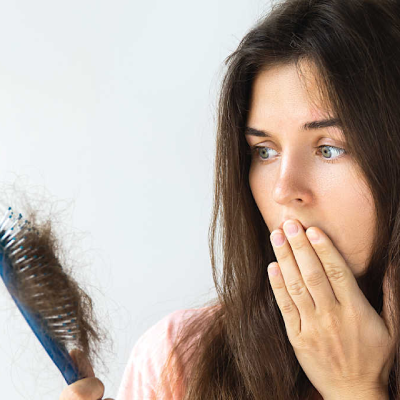
More hair on your pillow. More strands in the shower drain. A comb that looks fuller than it should after every use. These small signs can lead people to ask, "My hair is thinning- what should I do?" That question deserves a real answer, not vague reassurance. This guide covers the common causes of hair thinning, what to do once you notice it, and when it is time to bring in a specialist.
Why Is My Hair Thinning?
There is rarely one cause. Genetics, hormones, stress, nutrition and daily habits all play a part, often at the same time. Identifying the causes of hair thinning that apply to you is what makes the difference between guessing and fixing the problem.
Genetic Hair Loss and Pattern Baldness
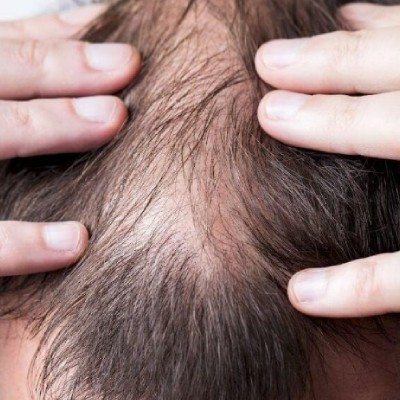
Pattern baldness is written into your genes. It tends to run in families, and it shows up slowly, usually at the hairline first or across the crown. By the time it is obvious in the mirror, it has usually been building for years.

Hormonal Changes and Hair Thinning
Hair follows a growth-and-rest cycle, and hormones control it. Pregnancy, thyroid imbalances and other hormonal shifts can push far more hair into the resting phase than normal. When that happens, density drops fast, sometimes within weeks rather than months.
Stress and Hair Loss
Stress and hair loss are connected more directly than most people expect. A stretch of high stress can interrupt the growth cycle and trigger shedding that shows up weeks later, not immediately. This delay is why the link often goes unnoticed.
Nutritional Deficiencies
When nutrients run low, your body doesn't prioritise hair. It is one of the first things to suffer. A diet missing key vitamins and minerals weakens strands over time, and this is one of the more overlooked causes of hair thinning. Better nutrition helps, but it will not regrow a bald patch on its own.

Medical Conditions That Can Cause Hair Thinning
Some medical conditions cause hair loss and thinning directly. These vary widely from person to person, so guessing based on something you read online rarely helps. A proper clinical check is the only way to know for certain.
Hair Care Habits That May Contribute to Thinning
Daily habits add up. Heavy heat styling, harsh chemical treatments, tight hairstyles pulled back every day. None of these causes thinning overnight. Given enough time, though, they wear hair down and make an existing problem worse.
What Should I Do If My Hair Is Thinning?
Once you notice it, do not just wait and hope. A clear process beats guesswork every time.

Identify the Cause of Your Hair Thinning
Start here, because what to do for thinning hair depends entirely on why it is happening. Think back on recent changes to your diet, your stress levels, your health in general. Ask whether the thinning is spread out or concentrated in one spot, sudden or gradual. An assessment like the Advanced Hair Check maps your scalp and follicle health in detail, telling you far more than a mirror ever could.
Check Your Scalp and Hair Health
Your scalp usually shows what your hair is dealing with. Flaking, excess oil, redness, tenderness. Any of these can point to something worth addressing. healthy scalp tends to support hair that grows well.
Improve Your Diet and Nutrition
Eating well is not a quick fix, but it matters. A steady, nutrient-rich diet is one of the most reliable ways to help prevent hair thinning over time, even though results take weeks, not days, to show. It will support healthier hair. It will not bring back hair from a spot that is already bald.
Follow a Healthy Hair Care Routine
Small choices, repeated daily, matter more than the occasional intensive treatment. This is really how to stop hair thinning from creeping further, one habit at a time. Use products that suit your hair type. Don't overwash, and don't go too long between washes either. Cut back on heat and chemical exposure wherever you can.
Can Thinning Hair Grow Back?
That depends on why it started. If stress or a short-term nutritional gap triggered it, addressing that cause often brings improvement. Genetic thinning behaves differently. It tends to progress steadily, and it usually calls for a more structured hair thinning treatment rather than a quick fix. Catching it early keeps more options open, which is why timing matters as much as the thinning hair treatment itself.

How Can I Make Thinning Hair Look and Feel Thicker?
While you work on the root cause, a few changes can make hair look fuller right away. A layered cut adds visible volume. Volumising shampoo and conditioner lift hair at the root. Heavy styling products do the opposite, so use less. For something more immediate, Strand-by-Strand Cosmetic is a non-surgical hair replacement option built to match your natural colour, texture, and growth pattern, and it answers the question of how to make thinning hair thicker without waiting for anything to grow.

When Should I See a Hair Specialist for Thinning Hair?
If diet changes and a gentler routine aren't making a difference, or if your hair loss and thinning are rapid, patchy, or hard to explain, it is time to see someone who specialises in this.
Our specialists at Advanced Hair Studio India start with the Advanced Hair Check to understand exactly what is causing your hair thinning before suggesting anything. Depending on what that shows, the plan might involve Advanced Laser Therapy, the Advanced Hair and Scalp Fitness Program for earlier-stage thinning, or a more complete approach built around your case.
If you are still asking, "My hair is thinning; what should I do?" a proper consultation gives you answers guesswork never will.

Frequently Asked Questions
Why is my hair thinning suddenly?
Sudden hair thinning usually traces back to stress, hormonal changes or a nutritional gap. Shedding often shows up weeks after the trigger, which is why it can feel sudden even when the real cause built up gradually.
Can thinning hair become thick again?
It depends on the cause. Temporary triggers often reverse with the right care. Genetic thinning is different and usually needs a structured, long-term thinning hair treatment plan.
How can I stop my hair from thinning naturally?
Small habits add up: eat well, manage stress, use heat styling less, and give your scalp some attention. If you're not ready to go the prescription route, over-the-counter hair thinning treatments are worth considering too.
What vitamins help with thinning hair?
Several nutrients support healthy hair growth, and low levels can worsen thinning. A well-rounded diet is generally the starting point for preventing hair thinning through nutrition, though what someone needs varies and is worth checking with a professional.
Should I see a doctor if my hair is getting thinner?
Yes, especially if it persists, worsens or comes with other symptoms. A specialist opinion beats guesswork every time.
Can stress cause my hair to thin?
Yes. Extended stress pushes hair follicles into a resting phase earlier than they should, and the shedding that follows can be significant.
Hair thinning is common, and it is manageable once you understand what is behind it. Whether you need a quick fix for how to make thinning hair thicker or a longer-term hair thinning treatment plan, the first real step is getting a proper evaluation instead of waiting it out.



Stay Updated
Subscribe to our email newsletter for helpful tips and valuable resourses
Be an influencer
Join forces with Advanced Hair Studio! Explore exciting collaboration opportunities tailored for influencers. Let's redefine haircare together.
Connect now
