


How Hair Restoration Works: Science Behind Hair Regrowth

16 April 2026

Hair Experts @ AHS

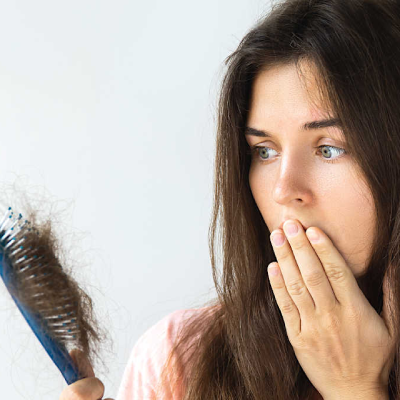
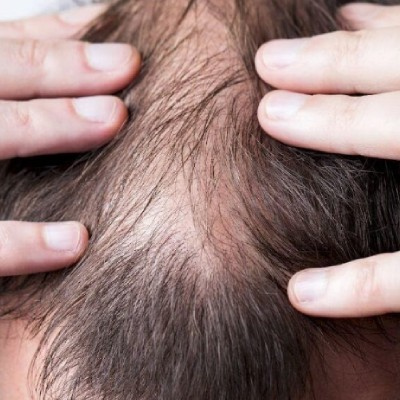
When it comes to hair loss, most people spend years noticing the change before they do anything about it. A slightly wider parting here, a little more scalp visible there, a ponytail that does not feel as full as it once did. Hair loss moves slowly enough that it is easy to keep putting off the conversation, and common enough that a significant portion of the Indian population experiences it at some point in their lives.
Even so, the science behind how hair actually grows and how hair restoration and regrowth work remains genuinely misunderstood by most people who are experiencing it.
This blog is an attempt to change that.
Understanding the Hair Growth Cycle
Hair does not grow continuously. Every follicle on your scalp moves through a repeating biological cycle, and understanding that cycle is the foundation for understanding why hair loss happens and what restoration can realistically address.

Losing somewhere between 50 and 100 strands on any given day is entirely within the normal range for this cycle. The concern develops when the anagen phase begins to shorten with each successive cycle, when follicles gradually miniaturise and produce thinner, weaker strands, or when the volume of shedding consistently surpasses what the follicle can replace.
That is the point at which hair loss shifts from a biological rhythm to something worth addressing.
What Is Actually Causing the Hair Loss?
Most people assume they already know why their hair is thinning. More often than not, the full picture is more layered than they realise. Hair loss rarely has a single cause, and understanding what is actually driving it is the only reliable foundation for a hair regrowth treatment plan that works.
- Genetics sets the pattern, but it is not the whole story. Patterned thinning that progresses in a recognisable direction over time is largely genetic, but that does not mean it is the only factor at work or that nothing can be done about it.
- Hormonal sensitivity plays a bigger role than most people are told. How individual follicles respond to androgens varies significantly from person to person, and this sensitivity is often just as responsible for thinning as genetic predisposition.
- Stress-related hair loss is more common than it appears, and it shows up late. A 2021 report in the Indian Dermatology Online Journal highlighted a clear rise in telogen effluvium consultations among Indian adults after the pandemic. Many clients came in months after the initial trigger, largely because of the way the hair growth cycle functions and delays visible shedding.
- Nutritional deficiencies in iron, vitamin D, and biotin are also commonly seen alongside thinning. Correcting these deficiencies supports overall follicle health and may help slow further loss, but it is important to understand one thing clearly: nutrition alone cannot regrow hair in areas where follicles have already become dormant.
- Thyroid imbalances and certain scalp conditions can also affect density and texture, sometimes leading to a mistaken diagnosis of straightforward genetic hair loss, which is precisely why a detailed scalp and hair assessment matters before any treatment begins.
- A proper scalp assessment is not a formality. Because causes tend to layer on top of each other in different combinations for different people, that initial assessment process is what separates a plan genuinely suited to your situation from one that simply sounds plausible.

How the Different Restoration Approaches Actually Work
When Follicles Are Weakened But Still Present
Some hair regrowth treatments are designed specifically for this stage, where the follicle has not been lost but is producing a progressively weaker strand with each cycle. The goal is to improve circulation in the follicle bed, extend the active growth phase, and create conditions that support stronger regrowth over time. How well this works is directly tied to the extent of remaining follicular activity, which is one of the clearest arguments for addressing thinning earlier rather than later.
When Follicles Need to Be Relocated
For areas where density has reduced to the point where supporting existing follicles is no longer sufficient, Follicular Unit Extraction (FUE) and Follicular Unit Transplantation (FUT) are two widely used surgical approaches. Both involve moving healthy follicles from a donor region of the scalp to the area being treated.
The biological principle behind this is called donor dominance. A relocated follicle retains the growth characteristics of its original site rather than adopting the behaviour of its new location. Once it settles and re-enters the growth cycle, it continues producing hair with the same properties it always had.

Before either approach is recommended, our specialists carry out a thorough evaluation of donor availability, scalp condition, and individual suitability. The assessment shapes the recommendation, not the other way around.
When an Immediate Visual Result Is the Priority
Not everyone feels comfortable choosing a surgical route, and in many cases, it is not even necessary. Non-surgical hair replacement offers an immediate improvement in appearance through Hair Systems that are carefully designed to match each client’s natural colour, density, and texture. Since these Cosmetic Hair solutions do not rely on follicular activity, an immediate improvement in appearance can often be seen.
For many clients, this is a practical option depending on their preferences.
The Role of Scalp Conditioning
Regardless of which direction a client takes, the scalp environment's health matters throughout the process. Conditioning therapies designed to support hydration, reduce inflammation, and improve microcirculation around the follicle bed are regularly incorporated alongside primary treatment plans. They do not replace other approaches, but they create a more supportive foundation for sustained results.
How Long Does This Actually Take?
Hair regrowth follows a biological timeline, and that timeline does not compress simply because someone wants faster results.
In the first two to three months, some clients experience a temporary increase in shedding as follicles transition between phases. This is a recognised part of the process. In some cases, you may start noticing early signs of new growth between three and six months, while more visible improvements in density tend to appear between six and twelve months.
Results continue to develop beyond the one-year mark as follicles complete additional growth cycles.
Consistency with the recommended plan across all of these stages makes a real difference to how the journey unfolds.
What to Keep in Mind Before Starting
Hair restoration has come a long way, and the options available today are far more refined than they were even a decade ago. That said, going in with a clear and grounded understanding of what to expect will always serve you better than going in on the basis of hope alone. A few things worth keeping in mind:
Your results are personal to you.
Genetics, age, overall health, and how far your hair loss has progressed all play a direct role in what restoration can realistically achieve for you specifically, not for someone else whose before-and-after you may have come across online.
No treatment works overnight.
Hair grows in cycles, and restoration follows that same biology. A plan built around gradual, sustainable progress is not a slow plan; it is an honest one.
It is helpful to approach strong claims with careful consideration.
Any clinic that promises dramatic results without a single caveat deserves a second look. A specialist who knows what they are doing will tell you honestly what is achievable for your specific situation, even if that is not exactly what you were hoping to hear.
The goal is lasting improvement, not a quick fix.
Clients who walk into the process with that understanding almost always come out the other side more satisfied than those who were sold a timeline that the biology was never going to support.
Final Thoughts
Hair restoration works because it engages the follicle's biology rather than working around it. Whether the path involves stimulating still-active follicles, relocating healthy ones through a surgical procedure, or restoring appearance with a non-surgical Hair System, each approach is grounded in how follicles naturally grow, rest, and respond to their environment.
If you are at the point of wanting to understand what is genuinely suitable for your condition, a conversation with our specialists at the studio is the most straightforward place to start.
Disclaimer
The content in this blog is intended for informational and awareness purposes only and does not constitute medical advice. Hair loss causes and treatment outcomes vary from person to person, and any restoration plan should be based on a thorough, specialised evaluation by a licensed hair specialist. Individual results depend on a range of factors specific to each client.



Stay Updated
Subscribe to our email newsletter for helpful tips and valuable resourses
Be an influencer
Join forces with Advanced Hair Studio! Explore exciting collaboration opportunities tailored for influencers. Let's redefine haircare together.
Connect now
