


Hair Transplant for Thin Hair Women: Is It Effective?

24 July 2026

Hair Experts @ AHS

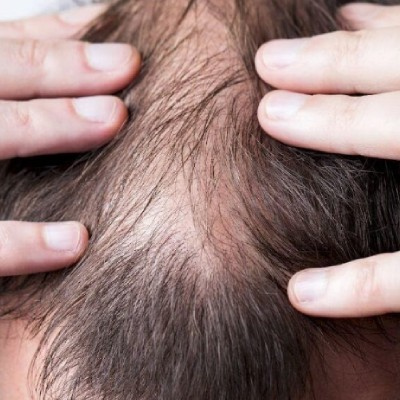
A wider parting. A ponytail that feels lighter in your hand. Strands were left on the pillow each morning. Thinning hair rarely shows up all at once, and it chips away at confidence long before it becomes visible to anyone else. So the question worth asking is simple: does a hair transplant for women with thin hair actually work, or is this still a procedure built with men's hairlines in mind?
Female hair loss differs significantly from male pattern baldness, and treatment must account for this. Here is what decides whether a transplant is right, and what happens once you go ahead with one.
Understanding Thin Hair in Women
Thinning hair is a symptom, not a diagnosis. Before talking about surgery, it helps to know what is actually causing it.
What Usually Causes Hair Thinning in Women
- Genetics: Female pattern hair loss, aka androgenetic alopecia, typically presents as diffuse thinning across the crown.
- Hormonal Changes: Pregnancy, menopause, thyroid disorders, and prolonged stress push follicles into a resting phase, so shedding often appears weeks later.
- Nutritional Deficiencies: Low iron, vitamin D, or protein levels are common, and a blood test usually confirms them. Fixing a deficiency supports active follicles but will not regrow hair in a fully bald patch.
- Traction Alopecia: Follicles are compromised along the hairline due to years of tight ponytails, braids and extensions.
- Alopecia Areata: This is a form of autoimmunity that can result in a sudden onset of patchy hair loss and requires a different hair treatment.
Thinning Hair Versus Hair Loss
Thinning means the strands are still growing, just finer and further apart. Hair loss occurs when specific hair follicles have stopped producing hair, leaving a visible bald patch. A transplant only works where there is a healthy donor area to draw from.
Can Women with Thin Hair Get a Hair Transplant?
Yes, though not every woman is a good candidate. Female hair loss tends to spread more evenly across the scalp than male pattern baldness, and a transplant only succeeds when there is a stable donor zone unaffected by the same thinning process.
Women who typically do well with a hair transplant for female hair loss usually have:
- A clearly defined thinning zone rather than loss spread across the entire scalp
- Traction alopecia from years of tight hairstyling
- A hairline they would like lowered for a softer frame
- Hair loss from scarring or a past cosmetic procedure, rather than an ongoing hormonal condition
If your thinning is widespread across the whole scalp, or your donor area is also affected, a non-surgical route usually makes more sense first. A proper scalp and follicle evaluation is the only real way to know which group you fall into.

Female Hair Transplant Techniques Worth Knowing
Once a woman is confirmed as a suitable candidate, the next decision is which technique fits her donor supply and routine.
Follicular Unit Extraction (FUE) lifts individual follicles from the donor area and places them into the thinning zone. No tissue strip is removed, so recovery is quicker with no linear scar.
Follicular Unit Transplantation (FUT) removes a strip of scalp, then separates follicular units from it under a microscope before placement. It removes more follicles per session but also leaves a fine linear scar that is typically well camouflaged as new hair grows.
In Direct Hair Implantation (DHI), the follicles are implanted into the scalp using a specialised instrument, often without the need for an incision or the removal of a strip of scalp. At Advanced Hair Studio India, our specialists use refined extraction and placement methods built around this same precision.

What Recovery Actually Looks Like
Every woman heals at her own pace, but the timeline tends to follow a pattern.
- The scalp stays tender for a few days, with mild swelling that settles within a week or two.
- Transplanted follicles are shed within the first month, which may look alarming but is normal.
- New growth generally starts around the three-to four-month mark
- Density keeps building after that, with mature results closer to a year out
The goal is a result that blends with your existing hair rather than an overnight transformation. Patience through the growth cycle is what separates a natural outcome from one that looks obviously done.
Getting the Most Out of Your Results
A few habits genuinely change the final result.
- Follow your specialist's aftercare instructions early on, especially regarding washing and sun protection.
- Keep protein, iron, and key vitamins in your diet to support existing hair and new follicles as they settle.
- Avoid harsh chemical treatments and heavy heat styling for the first few months.
- Do not follow up on appointments, since your specialist needs to track healing in person.
- Pursue any additional medical intervention only under proper licensed supervision.
Making the Right Call for Your Hair
A hair transplant for thinning hair is not something to decide on impulse, nor is it a quick fix. For the right candidate, it offers a lasting way back to fuller hair, planned around your specific pattern of loss.
The real first step is not choosing between FUE, FUT, or DHI. It is getting an honest read on your scalp, your donor supply, and the actual cause behind your thinning. Our team at Advanced Hair Studio India conducts this exact assessment before making any recommendations because a plan built around your scalp holds up over time. If thinning hair has been on your mind for a while, a consultation with our specialists in India costs you nothing but a short conversation.
Frequently Asked Questions
Can a hair transplant increase hair density in women?
Yes. Moving healthy follicles from a stable donor area into thinning zones increases visible density over several months, provided the woman is a suitable candidate.
Is a hair transplant permanent for women with thin hair?
Transplanted follicles generally resist the triggers behind the original hair loss, so results tend to last. Hair loss can continue in untreated areas, which is why ongoing scalp care still matters.
Can PRP be combined with a woman’s hair transplant in India?
Some women look into supportive hair-thinning treatments alongside surgery to help their scalp recover. Whether that makes sense depends on your scalp condition, so raise it directly with a specialist at your consultation.
How long does it take to see full results?
Shedding in the first month is normal. New growth usually starts around three to four months in, most women notice a real difference by eight to ten months, and fully settled results appear closer to the one-year mark.




Stay Updated
Subscribe to our email newsletter for helpful tips and valuable resourses
Be an influencer
Join forces with Advanced Hair Studio! Explore exciting collaboration opportunities tailored for influencers. Let's redefine haircare together.
Connect now
