


Hair Transplant for Women: Causes, Treatment & Results

17 July 2026

Hair Experts @ AHS

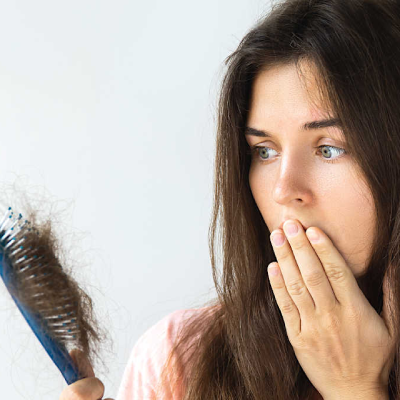
Hair thinning in women rarely arrives overnight. It builds slowly, through a wider parting, a thinner ponytail, or more strands left behind after a wash. Many women notice it long before they talk about it, and that silence is part of the problem. Across India, female hair loss is more common than most conversations suggest, and it is treatable once the cause is understood. This blog covers why hair loss happens in women, how it is diagnosed, and which treatments work, including hair transplant for women.
Understanding Hair Loss in Women
Female pattern hair loss is not rare. It affects women across age groups and becomes more visible after thirty, then again around menopause.
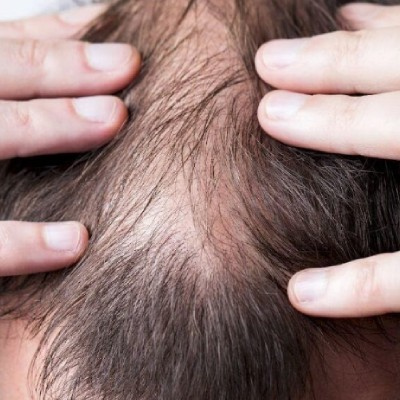
- It usually appears as diffuse thinning across the crown, not a single bald patch.
- Men tend to lose hair through a receding hairline or a bald crown instead.
- Women rarely go fully bald. Even as the hair thins, the hairline tends to stay intact.
This difference is why women's hair loss needs its own diagnosis, not one borrowed from male pattern baldness.
What Causes Hair Loss in Women?
Several factors can trigger thinning, and identifying the correct one shapes the treatment plan.
Genetics: If female pattern hair loss has been in your family, there's a good chance you'll see it too. It's gradual; the follicles shrink a little more with each growth cycle until the hair coming in is noticeably finer.
Hormonal Changes: Pregnancy, the postpartum period, menopause, and PCOS can all throw the hair growth cycle off balance, and shedding is usually the first sign something's off.
Thyroid and Medical Conditions: An overactive or underactive thyroid, low iron, and some autoimmune conditions can quietly thin hair out before anything else seems wrong.
Traction Alopecia: Years of tight buns, ponytails, and repeated styling tension wear on the same follicles, and this type of hair loss is often preventable if it's caught in time.
Diagnosing Female Hair Loss
Getting the diagnosis right matters, since the wrong assumption leads to the wrong treatment. A proper evaluation typically includes:
- A close look at the scalp to see how the thinning is spreading.
- Medical history and recent hormonal changes are analysed.
- Questions about family history and hairstyling habits.
- Medical tests to exclude thyroid and/or nutritional causes
Once this evaluation is complete, the cause becomes clear enough to guide the next step.

Can Women Get a Hair Transplant?
Yes, and hair transplant for women is a well-established option once candidacy is confirmed. Not every woman with thinning hair qualifies immediately, since suitability depends on donor hair availability and the exact cause of thinning.
At AHS India, our specialists begin with a direct assessment of your scalp and hair pattern before making any recommendations, so the plan is built around what your scalp actually needs.
Hair Transplant Techniques for Women
The right technique depends on scalp condition, donor area, and thinning pattern, not personal preference alone.
Follicular Unit Extraction: Individual follicular units are lifted from the donor area and placed where needed, with no linear cut required, making it well-suited to the diffuse thinning pattern many women deal with.
Follicular Unit Transplantation (FUT): Better suited when many grafts need to be placed in a single sitting.
Direct Hair Implantation (DHI): The surgeon places each follicle individually using a specialised tool. That control over angle and depth is what makes the results look natural.

Other Hair Loss Treatments for Women
Surgery is not necessarily the first place treatment begins. For some stages and causes, it is better to consider a less invasive option first.
- PRP therapy uses platelets from your bloodstream to stimulate hair follicles, usually in conjunction with other treatments.
- Laser therapy is a non-invasive technique that can also promote hair growth, especially in its early stages.
- Non-surgical hair replacement restores the appearance of fuller hair without surgery, suited to women who are not ready for or not candidates for a transplant.
Common Myths About Women's Hair Transplant

How to Select the Correct Hair Transplant Clinic
Not every clinic approaches female hair loss the same way, so a few checks are worth making first.
- Experience With Female Hair Loss: Male and female hair loss patterns differ, and the treatment approach should reflect that.
- Treatment Planning: A serious clinic examines your scalp and medical history before recommending FUE, FUT, or DHI, rather than offering the same plan to everyone.
- Reviews and Outcomes: Talk to actual clients. You'll learn more from them than from any brochure.
Women looking into permanent hair restoration aren't after a generic script; they want someone who actually looks at what's going on with their hair, not just checks a box. That's the approach our specialists at AHS India take, from the first evaluation right through to aftercare.
Frequently Asked Questions
Can women with thinning hair get a hair transplant in India?
In many cases, yes. Suitability depends on the availability of donor hair and the underlying cause of thinning, which is why an evaluation always comes first.
Is a hair transplant permanent for women?
Transplanted follicles usually withstand whatever caused the thinning in the first place, so the results in the treated area tend to be permanent. Hair loss elsewhere on the scalp can persist unless it's treated.
Which hair transplant technique is best for women?
There is no single best hair transplant method for every woman. FUE, FUT, and DHI aren't interchangeable. Which one works depends on the scalp and the donor area, and that's something only a proper assessment can tell you.
How long does recovery take?
Hair transplant recovery varies by individual and technique, but most women return to their routine within a short window, with full results visible over the following months.
Hair loss in women deserves more than a quiet hope that it stops on its own. Genetics, hormones, styling habits, whatever's behind it, the first step is figuring out which one. When you're ready, our specialists at AHS India can help you sort through it.



Stay Updated
Subscribe to our email newsletter for helpful tips and valuable resourses
Be an influencer
Join forces with Advanced Hair Studio! Explore exciting collaboration opportunities tailored for influencers. Let's redefine haircare together.
Connect now
