


Hair Thinning vs Hair Loss: What's the Difference?

13 August 2026

Hair Experts @ AHS

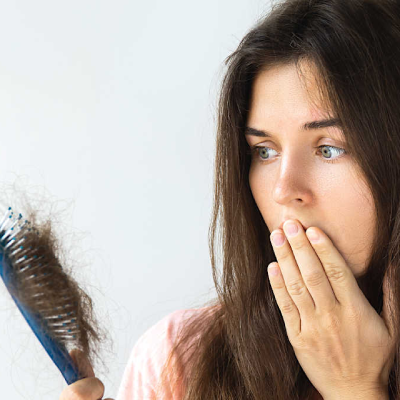
Noticing more strands on your pillow or a hairline that no longer matches last year's photos? Most people use "hair thinning" and "hair loss" interchangeably, but they aren't the same. Knowing the difference between hair thinning and hair loss determines which treatments actually help and how soon you should act. This guide breaks down what separates the two, what causes them, and what your options look like once you know which one you're dealing with.
Understanding Hair Thinning
Hair thinning is a gradual process. Strands will get thinner and less full, but the hair won't go away immediately, as the follicle typically remains active and now makes weaker hair with each turn.
Common early signs include:
- A widening middle parting
- A ponytail that feels less thick than before
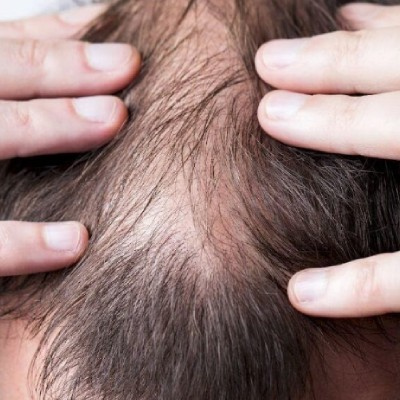
- More visible scalp under bright light or in photos
Because the follicle hasn't shut down yet, hair thinning is often manageable if caught early. Left alone, it can progress into more advanced hair loss.
Understanding Hair Loss
The advanced stage is hair loss. Hair loss and failure to regrow naturally is due to shrinking of the hair follicle, which causes it to stop producing hair, a process called miniaturisation, which results in balding at the crown, in the temples or at the hairline.
Genetic hair loss, aka androgenetic alopecia, is the most common form in both men and women. Once follicles go dormant, hair loss tends to be progressive, which is why most people eventually seek professional hair restoration rather than home remedies.
Hair Thinning vs Hair Loss: Key Differences
| Aspect | Hair Thinning | Hair Loss |
| What happens | Strands become finer | Follicles stop producing hair |
| Visibility | Scalp visible under light | Distinct bald patches |
| Follicle activity | Usually still active | Often dormant |
| Progression | Gradual, may fluctuate | Typically progressive |
| Reversibility | Often manageable early | May need active intervention |
This table is a general guide. A scalp and follicle evaluation is still the most accurate way to know where you stand.
Common Causes For Hair Thinning and Hair Loss
Hair rarely changes for just one reason. A few factors tend to overlap and drive both hair thinning and hair loss at once.
Genetics: This one's huge. If your parents or grandparents faced hair thinning, chances are you will too. Androgenetic alopecia is genetic, plain and simple, and it's by far the most common cause of hair loss out there.
Hormones: Thyroid issues, PCOS, pregnancy, and menopause—any of these can set off shedding that's hard to miss. For men, it's usually DHT, a byproduct of testosterone that's been tied to thinning for years.
Stress and Daily Habits: Chronic stress disrupts your growth cycle more than people realise. Poor sleep, smoking, and an inconsistent routine give it a few months, and you'll notice the extra hair in your brush.
Diet: Iron, protein, zinc, biotin. Hair needs all of it to grow well, and when your diet's short on these, hair is often one of the first places it shows. Eating better helps, but it won't wake up follicles that have already shut down.
Medical Conditions: Alopecia areata, scalp infections, autoimmune disorders these get overlooked, but they matter. And some everyday medications, including certain blood pressure and depression drugs, list hair loss right there in the side effects.
How to Identify Whether You Have Hair Thinning or Hair Loss
The signs often overlap in the early stages, which is exactly why self-diagnosis can be misleading.
- Widening partings or reduced density near the crown usually indicate hair thinning.
- Defined bald patches or a visibly receding hairline usually point to hair loss.
- Excessive hair shedding that continues for several weeks is worth having checked either way.
Our specialists at Advanced Hair Studio India use scalp mapping to assess follicle health and pinpoint the cause before recommending a hair-thinning or hair loss treatment. Guesswork rarely helps here.
Treatment Choices for Hair Thinning and Hair Loss
No single hair loss treatment or hair thinning treatment works the same way for everyone. The right option depends on the stage you're at and what's driving it.
Laser Therapy: Low-level laser light aimed at stimulating follicles and slowing shedding. No surgery, no downtime, and you can walk in and out. It works best while thinning is still in the early stages.
PRP Therapy: We draw your blood, spin it down to concentrate the growth factors, and inject that back into your scalp to wake up follicles that are just starting to struggle. It's minimally invasive and usually gets paired with another treatment for better results.
Strand-By-Strand Ultimate: This is the surgical route, a real hair transplant that rebuilds density and gets your hairline back to something close to its original shape. Meant for cases where thinning's gone further.
Strand-By-Strand Cosmetic: No surgery involved. It's a hair replacement matched to your own texture and colour, so it blends in rather than looking added on.
Every plan starts with a scalp evaluation, since the right hair restoration route for one person is rarely right for another.

Can Hair Thinning and Hair Loss Be Prevented?
To some extent, yes. A few habits genuinely help protect the hair you already have:
- Manage stress through regular sleep and exercise
- Eat a diet with enough iron, protein, and zinc
- Avoid harsh chemical treatments and excessive heat styling
- Get your scalp checked at the first noticeable change
That said, genetic hair loss cannot be entirely prevented. No oil, supplement, or home remedy works as a genuine hair regrowth treatment once follicles have stopped functioning. Early action mostly buys more options and a slower rate of progression.
When Should You Consider a Hair Transplant?
If topical treatments or laser therapy haven't brought meaningful improvement, or bald patches have become well-defined, it may be time to explore a hair transplant. This decision is best made after a proper consultation, since every scalp responds differently.
A transplant usually isn't the starting point for everyone. Many clients try PRP or laser sessions for hair loss first, moving to a hair transplant only once those options no longer keep pace.
Your Next Step Toward Healthier Hair
Hair thinning and hair loss might look similar at first glance, but they require entirely different approaches. Knowing the difference between hair thinning and hair loss early on saves time, money, and a fair amount of unnecessary worry.
Advanced Hair Studio India has spent decades helping clients understand what their scalp is telling them, with FDA-approved procedures and specialists who work exclusively in hair restoration. If you've been putting off that first conversation, this is your sign to book a consultation. Healthy hair growth starts with knowing where you stand.



Stay Updated
Subscribe to our email newsletter for helpful tips and valuable resourses
Be an influencer
Join forces with Advanced Hair Studio! Explore exciting collaboration opportunities tailored for influencers. Let's redefine haircare together.
Connect now
