


Hair Thinning: Causes, Early Signs and Best Treatment Options

06 August 2026

Hair Experts @ AHS

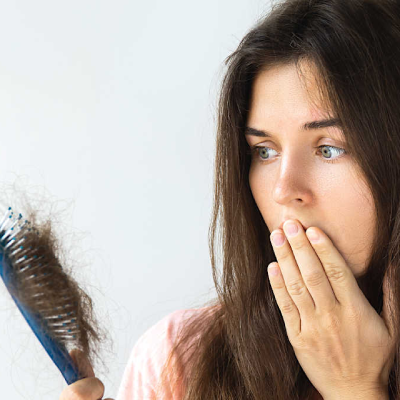
Ever run your fingers through your hair and pause because it feels less full than before? You are not imagining it. Hair thinning is one of the most common concerns people raise with hair specialists, and it rarely announces itself with a dramatic bald patch. It creeps in slowly, until the difference becomes impossible to miss.
This guide covers what hair thinning is, why it happens, how to spot it early, and your treatment options.
What Is Hair Thinning?
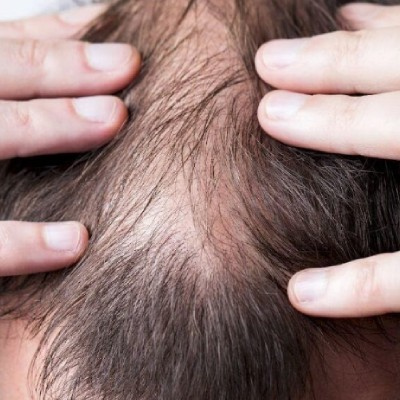
Hair thinning creeps up on you. It's not clumps falling out; it's strands slowly getting finer and weaker until one day you notice your part looks wider than it used to. That's the tricky part: it's subtle enough that most people don't catch it until it's already gone pretty far.
Hair Thinning vs Hair Loss: What's The Difference?
People often use these terms as if they mean the same thing. They do not. Thinning is density and volume dropping gradually. Hair loss usually means visible bald patches or a clearly receding hairline, a later stage that thinning can move toward if left unaddressed.
How It Shows Up Differently in Men and Women
Hair thinning in men tends to follow a recognizable pattern that starts at the hairline or crown. Hair thinning in women is usually more diffuse, spreading evenly across the scalp instead. More on why, further down.
What Causes Hair Thinning?
There is rarely one single cause. Most cases involve a mix of:
Genetics and Family History: If it runs in your family, you're more likely to deal with it too. Doesn't guarantee anything, but genetics is probably the single biggest factor here.
Hormone Fluctuations: Thyroid problems, pregnancy, getting older any of these can mess with your normal growth cycle, which explains why a lot of women see thinning show up at specific points in life.
Stress and Lifestyle Factors: Enough chronic stress, and your follicles will check out early, entering a resting phase before shedding a few months later. Poor sleep, smoking, and an erratic schedule none of that helps.
Nutritional Deficiencies: Your hair needs a steady diet of protein, iron, and a handful of vitamins to work with. Cut those short and strands thin out over time. However, no amount of kale is bringing back a bald spot on its own.
Early Signs of Hair Thinning
Catching this early gives you far more options later. Watch for:
- Increased Hair Shedding: More strands than usual in the shower or on your pillow is often the first clue.
- A Widening Part Line: A part that appears broader than before indicates reduced density along the scalp.
- A Receding Hairline: Gradual movement at the temples is one of the more visible early signs of hair thinning.
- Reduced Hair Volume: Hair that feels flatter, even right after washing, often means strands are getting finer.
Hair Thinning in Men vs Women
The biology overlaps, but the causes rarely line up exactly for men and women, whether in India or elsewhere.
In Men: genetics usually takes the lead, following a predictable path from the hairline or crown, with hormonal sensitivity in the follicles playing a supporting role.
In Women: it is rarely one factor alone. Hormonal shifts, nutritional gaps, and stress tend to combine, which is why hair thinning in women can be harder to diagnose without a proper scalp assessment.
Best Treatment Options for Hair Thinning
Once you know what is driving your hair thinning, you can consider treatment options tailored to the underlying cause.
Medications: Topical and oral treatments can slow things down early on, worth doing under a dermatologist, since dosage and combos matter.
PRP Therapy: Blood is drawn, spun down, and the platelet-rich part gets injected back into the scalp to wake up sluggish follicles. Non-invasive, usually not a standalone fix.
Hair Transplant Surgery: Moves follicles from a donor area to the thinning spots. Results last, but it's surgery; FUE and FUT are the two methods you'll hear about most.
Non-Surgical Restoration: For people who'd rather skip surgery altogether. Done well, it's matched closely enough to your own hair that no one can tell.
LLLT: Low-level light aimed at the scalp to slow shedding. No downtime, no pain, and it's usually just one piece of a bigger plan rather than the whole plan.

Choosing the Right Hair Thinning Treatment
There is no single hair thinning treatment that suits everyone. Depends on what's actually causing it, how far along the thinning is, and what fits your day-to-day life. Our specialists first assess your scalp condition, then recommend a hair regrowth treatment plan tailored to it, rather than a one-size-fits-all package.
Common Myths About Hair Thinning
A few myths keep doing the rounds:
- “Only older adults deal with this.” Not true. Genetics and lifestyle can trigger thinning much earlier than expected.
- “Washing your hair too often causes thinning.” Also false. Poor scalp hygiene is the bigger culprit.
- “Thinning always ends in complete baldness.” With the right treatment at the right stage, progression can often be managed well.
Frequently Asked Questions
Can hair thinning be reversed?
In many cases, yes, especially when caught early. Medication, PRP, or a tailored hair treatment plan can help, though results depend on the cause and how soon you act.
What actually works best for thinning hair?
There's no single right answer. What works depends on what's actually driving the thinning: it could be genetics, hormones, or just stress and poor sleep catching up with you. Honestly, the only way to know is to get your scalp properly checked out.
How long does it take to see results?
Depends on the route you take. With non-surgical stuff, you'll usually notice a difference almost right away. A transplant or a longer regrowth plan is a different story; you're looking at months before anything new actually shows up.
Can young adults experience hair thinning?
Yes, more often than assumed. Hair thinning in men and in women can both start in the twenties, particularly when genetics, stress, or nutritional gaps are involved.
Noticing any of these signs? Waiting rarely helps. Book a scalp consultation with our specialists at Advanced Hair Studio India and get a clear picture of what is going on before your next step.



Stay Updated
Subscribe to our email newsletter for helpful tips and valuable resourses
Be an influencer
Join forces with Advanced Hair Studio! Explore exciting collaboration opportunities tailored for influencers. Let's redefine haircare together.
Connect now
