


Hair Fall Is Getting Worse? These Hidden Triggers Might Shock You

15 May 2026

Hair Experts @ AHS

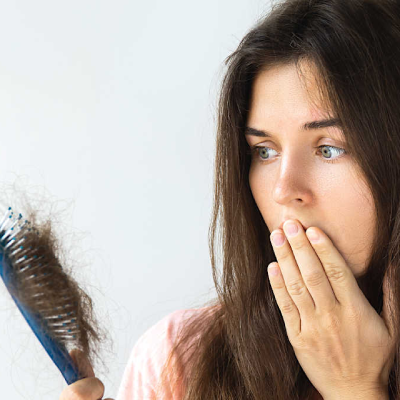
Most people who notice their hair thinning land on the same short list of explanations: genetics, ageing, or not taking good enough care of their hair. Those things can play a role, but they rarely tell the whole story. The real hair fall causes are often sitting in plain sight, woven into daily habits and internal changes nobody thought to connect to their scalp. If you have tried the shampoos, supplements, and home remedies and your hair fall is still worsening, the answer may lie in causes you have not yet considered.
The Hidden Triggers Most People Never Suspect
Before diving into each trigger, here is a broad view of the hair thinning causes that most commonly fly under the radar:

Note: These are general patterns observed across hair loss cases. Individual causes vary and are best confirmed through professional assessment.
Stress Does More Than Affect Your Mood
The timing of stress-related hair loss is what catches most people off guard. Research published in the Indian Dermatology Online Journal notes that telogen effluvium, where significant shedding follows a stressful event, typically appears two to three months after the trigger, long after most people have stopped associating the two.
What tends to push follicles into the shedding phase:
• Physical illness or prolonged recovery periods
• Emotional strain that builds gradually rather than arriving as a single event
• Chronic poor sleep and disrupted daily routines
• Sudden lifestyle changes or significant personal events
Even when stress is not the primary driver, it consistently worsens whatever hair thinning is already underway.
Crash Diets Can Trigger Sudden Hair Thinning
Follicles depend on a steady supply of nutrients to function properly. When the body faces a sudden nutritional shortfall, it redirects resources toward essential organs, and hair production takes the hit. The National Institute of Nutrition in Hyderabad notes that nutritional deficiencies remain a significant concern across Indian populations.

Correcting genuine deficiencies can reduce shedding, but nutrition supports the environment for hair growth; it cannot rebuild hair where follicles have already become dormant.
Your Scalp Environment Might Be Working Against You
The scalp is the foundation from which every strand grows, and its condition matters more than most haircare routines take into account. Scalp issues that can quietly contribute to ongoing hair fall:
• Excess sebum or product buildup blocking follicle openings
• Persistent dandruff or inflammation affecting the tissue around follicles
• Hard water deposits and environmental residue accumulating over time
• Scalp irritation from products that seem harmless on the surface
Even people with consistent haircare routines can develop scalp imbalances that contribute to continued thinning when left unaddressed.
Hormonal Fluctuations Can Quietly Affect Hair Density
Hormonal shifts are among the most frequently overlooked hair loss reasons, partly because the changes arrive gradually. Common hormonal triggers behind hair thinning:
• Pregnancy and postpartum hormonal fluctuation
• Menopause and perimenopause, affecting oestrogen levels
• Thyroid imbalance, both hypothyroid and hyperthyroid conditions
• Androgen-linked patterns in men, which can begin earlier than expected
• Polycystic ovary syndrome, a widely prevalent condition among Indian women
A professional assessment tends to provide more clarity than self-diagnosis, since hormonal causes vary significantly from one person to the next.

Poor Sleep Can Affect More Than Energy Levels
Sleep is when the body does most of its repair work, and hair follicles are directly part of that process. What disrupted sleep actually does to hair health:
• Elevates cortisol, which pushes follicles toward the shedding phase
• Disrupts the hormone regulation that healthy growth cycles depend on
• Reduces the cellular recovery that occurs overnight in follicle tissue
• Compounds the effect of other triggers like stress or nutritional gaps
People with demanding schedules or ongoing fatigue often notice increased hair fall without connecting it to sleep quality. Follicles respond to what is happening across the whole body, not only to what is applied to the hair externally.
Heat Styling and Tight Hairstyles May Cause Gradual Damage
These are two of the most consistent hair thinning causes that people underestimate, because the damage accumulates slowly rather than appearing at once:
• Frequent high-heat styling weakens the hair shaft and increases breakage with each use
• Tight ponytails, buns, braids, or extensions place sustained stress on follicles, particularly along the hairline and temples
• Traction-related hair loss, caused by repeated pulling, develops gradually and becomes visible only after an extended time
• Combining heat and tension regularly compounds stress on follicles already under pressure from other triggers
Reducing unnecessary tension and limiting heat where possible may help protect existing density, particularly for those already noticing thinning in these areas.
Pollution and Environmental Exposure Matter More Than You Think
India consistently ranks among the countries with the highest urban air pollution levels, and the scalp, being exposed skin, absorbs a significant share of that daily contact. What prolonged environmental exposure can do to hair health:
• Airborne particulate matter and dust settle on the scalp and block follicle openings
• Hard water, prevalent across many Indian cities, leaves mineral deposits that disrupt scalp balance
• Chemical residue from vehicle emissions and industrial pollutants contributes to oxidative stress around follicles
• Scalp irritation from accumulated pollutants can worsen existing thinning patterns over time
Environmental factors alone are unlikely to cause advanced hair loss, but they reliably worsen patterns that are already developing.
Constantly Changing Products Can Create More Confusion
When hair fall worsens, the instinct is to try something new. The pattern tends to look like this:
• Week one: a new shampoo recommended online
• Week three: a different oil after reading about it
• Month two: supplements, then a serum, then a scalp device
Hair growth cycles are slow, and most hair fall treatment approaches need sustained, consistent use before any meaningful change can be assessed. Changing course before that window closes makes it impossible to know what was working, which tends to extend the trial-and-error period and leave people no closer to understanding the actual cause.
Genetics May Be Involved Even If No One Talks About It
Hereditary hair thinning does not always look like the dramatic loss people associate with genetics. How it more commonly shows up:
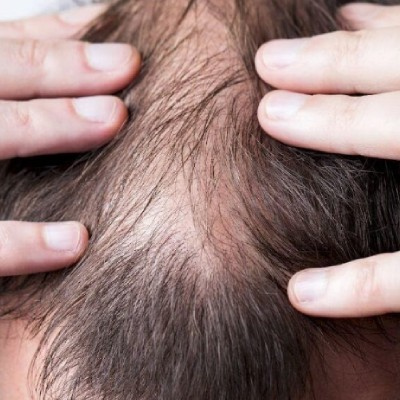
• Gradual density reduction around the crown over several years
• A slowly widening parting that seems minor at first
• Mild recession at the temples that is easy to attribute to other causes
• Overall reduction in strand thickness rather than sudden visible shedding
Research supported by the Indian Council of Medical Research indicates that androgenetic alopecia affects a notable proportion of Indian men and women, with onset possible as early as the mid-twenties. The earlier these patterns are identified, the more options remain available for hair fall management.
Hair Loss Is Often More Complex Than It Looks
Two people with similar-looking hair thinning can have entirely different causes behind it, which is why the same approach rarely works for everyone. The table below gives a clearer picture of what different triggers typically look like:

Understanding which trigger is behind the shedding is what makes the difference between an approach that addresses the problem and one that only manages the symptom.
Final Thoughts
If your hair fall has continued despite trying a range of products and routines, there may be underlying causes that have not yet been identified. Hair loss is frequently shaped by several factors working together, many of which develop gradually and without obvious signals. Understanding the actual trigger is the first step toward managing the concern more effectively.
If the triggers behind your hair fall have never been properly identified, that is often the most useful place to start. Advanced Hair Studio India offers assessments designed around individual scalp health, hair history, and lifestyle, rather than a fixed programme applied to everyone. You can learn more at advancedhairstudioindia.com.
Disclaimer
The information in this blog is intended for general awareness and educational purposes only and does not constitute medical advice. Hair loss conditions vary significantly from person to person. Readers are encouraged to consult a qualified hair specialist before beginning, adjusting, or stopping any hair treatment. Results from any procedure or therapy depend on individual health, scalp condition, and the stage of hair loss.



Stay Updated
Subscribe to our email newsletter for helpful tips and valuable resourses
Be an influencer
Join forces with Advanced Hair Studio! Explore exciting collaboration opportunities tailored for influencers. Let's redefine haircare together.
Connect now
