


Female Pattern Hair Loss: What It Is and How It Differs From Male Baldness

28 July 2026

Hair Experts @ AHS

Noticed your ponytail feeling thinner lately, or your parting looking wider in photos than before? You're not imagining it. Female pattern hair loss is among the most common hair concerns among women, yet it rarely gets talked about openly, which is part of why so many feel caught off guard by it.
What Is Female Pattern Hair Loss?
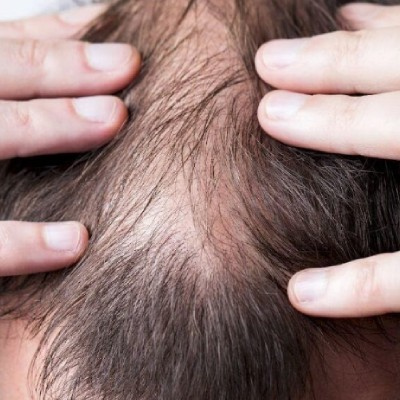
Female pattern hair loss is gradual thinning of hair that usually starts at the crown or the centre parting rather than the hairline. It isn't sudden, and it isn't a disease in the usual sense. It's a hair growth pattern shaped mainly by genetics, hormones, and age.
A large share of women experience some degree of it, and the likelihood climbs after the mid-thirties and again around menopause. It rarely looks like classic baldness. There's no receding hairline. The hair simply feels less full, and the scalp becomes more visible in bright light or when it's wet. Many women live with it quietly for years before they name it.
What Causes Female Pattern Hair Loss?
The causes of female pattern baldness are rarely just one thing. They usually stack on top of each other.
- Genetics: A mother or grandmother with thinning raises your own likelihood.
- Hormonal Changes: During pregnancy, perimenopause, and menopause, oestrogen levels decrease, and follicles become more responsive to androgens.
- Thyroid or Nutrient Imbalances: All of these, low iron, low vitamin D and thyroid dysfunction can lead to shedding.
- Chronic Stress: Prolonged stress pushes more hair into the shedding phase than usual.
- Certain Medications and Crash Diets: Both can starve follicles of what they need to stay in their growth phase.
- Knowing which of these apply to you shapes which hair treatment path is worth trying first.
Female Pattern Hair Loss vs Male Pattern Baldness
The two conditions get lumped together, but they don't behave the same way.

Women's hair loss tends to spread evenly across the scalp rather than concentrating in one area, which is why complete baldness is uncommon in women, even when thinning is significant.

Early Signs to Watch For
The female pattern hair loss symptoms build slowly, which is why they're easy to dismiss at first.
- A parting that seems to widen every few months
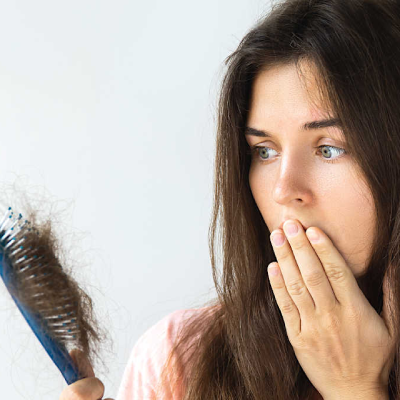
- More hair collecting in your brush, the shower drain, or your pillow
- A ponytail that feels visibly thinner than it used to
- Scalp that's more visible under daylight or in photos
None of these shows up overnight. They build gradually, and that slow pace is exactly why paying attention early matters.
How It's Diagnosed
A proper diagnosis usually starts with a close look at the scalp, sometimes backed by trichoscopy to check follicle density and shaft thickness. Sometimes blood tests are performed to exclude thyroid problems or iron deficiency, which may result in symptoms similar to or aggravate the thyroid problem. A pull test is a gentle tug on a small strand of hair to assess hair shedding.
Doctors also grade the severity of women's hair thinning using established staging scales, tracking parting width and crown density over time. Knowing where you fall on that scale sets realistic expectations for whatever comes next.
Female Pattern Baldness Treatment Options Worth Knowing About
Medications
Topical treatments applied to the scalp are usually the first line of defence. They work by slowing the shedding and supporting follicles that are still active. Most women only see change after several consistent months of use, and any medication should be taken under proper medical guidance rather than self-prescribed.
Platelet-Rich Plasma (PRP) Therapy
PRP uses a concentration of your platelets to stimulate follicle activity. It's a non-surgical option some women consider, though suitability depends on the individual case and should be discussed with a specialist rather than assumed.
Hair Transplant Surgery
A hair transplant in India has a longer-lasting effect for women with more pronounced thinning around the crown or parting. However, not all cases are suitable for hair transplantation, and at Advanced Hair Studio India, experts assess the hair density, scalp condition, and hair-thinning pattern before deciding whether FUE or FUT is the best option to recommend to the client. Transplants have become far more accessible across India in recent years, and studios with decades of surgical experience make the decision less intimidating.
Lifestyle and Nutrition
Diet supports hair health, but no amount of good eating regrows hair that's already gone. What it can do is protect what's left. Protein, iron, zinc, and B vitamins matter here, along with basic habits like managing stress and being gentler with aggressive styling.
Common Myths, Cleared Up
- "Only men lose their hair in a pattern." Not true. It's just less visible in women.
- "Washing your hair less will stop the shedding." Shedding happens at the follicle level, not because of wash frequency.
- "Tight hairstyles cause permanent thinning." They can cause localised strain over time, but that's a separate issue from genetic hair loss in women.
Choosing the Right Path Forward
Every woman's experience with hair loss looks a little different, so a one-size-fits-all approach rarely works. Whether you're leaning toward lifestyle changes, medication, or a transplant, the right first step is getting an honest read on your scalp and follicle health. The team at Advanced Hair Studio India works with clients across India to build a plan around individual needs, not generic assumptions. If thinning has been on your mind, a proper consultation is the clearest way to find out what will help.
Frequently Asked Questions
Is female pattern hair loss hereditary?
Yes, largely. A family history of thinning, especially on the maternal side, increases your risk, though hormones and lifestyle also play a role.
Can it be reversed?
Caught early, it can often be slowed or partially improved. Once advanced, fully reversing it through non-surgical means alone is usually unrealistic, which is why early attention matters.
How is it different from temporary shedding?
Temporary shedding is usually tied to stress, illness, or childbirth and tends to resolve on its own within a few months. The other kind doesn't do that. It's progressive, and left alone, it just keeps going.


Stay Updated
Subscribe to our email newsletter for helpful tips and valuable resourses
Be an influencer
Join forces with Advanced Hair Studio! Explore exciting collaboration opportunities tailored for influencers. Let's redefine haircare together.
Connect now
