


Crown Hair Loss Explained: Why It Happens and How to Stop It

30 September 2026

Hair Experts @ AHS

Hair loss rarely follows a single, predictable pattern, and the crown is often the last area people notice, simply because it sits outside everyday mirror checks. By the time it shows up in a photograph or under bright light, thinning has usually been building for a while without much warning. That does not mean it is out of your hands. Crown thinning has a range of causes, some temporary and some progressive, and knowing which one applies to you changes what actually helps. This guide covers why it happens, how to catch it early, and which treatment path fits your stage.
Crown Thinning: Causes, Early Signs and Treatment Options
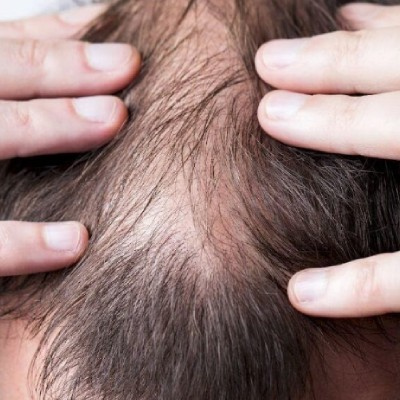
A widening part or a scalp that shows through more than before is usually the first sign of crown thinning. It builds up slowly, so a thinning crown often goes unnoticed until a hairdresser points it out or a photograph catches the back of your head at an unflattering angle. Once you understand why crown hair thinning happens, you can choose a course of action instead of waiting it out.
Hair Loss Treatment Options: Understanding Your Thinning Stage
Crown thinning does not follow one fixed timeline. It can progress slowly over years or pick up pace after stress or a hormonal shift. Your stage matters more than anything else when choosing the right hair loss treatment, so start by understanding exactly what you are dealing with.
What Does Crown Thinning Look Like?
- A part that keeps getting wider
- Lower density at the top and back of the head
- Strands that feel thinner or weaker than before
- A scalp visible under bright light or in photographs
- Shedding that builds up gradually over weeks
Crown Thinning vs. a Bald Spot
| Crown Thinning | Bald Spot | |
| Onset | Gradual, over months | Sudden |
| Pattern | Spreads outward, diffuse | Defined, rounded edges |
| Common trigger | Genetics, hormones, lifestyle | Conditions like alopecia areata |
People often use these terms interchangeably, but they point to different causes and call for different assessments.
Early Signs of Thinning Hair at the Crown
- A visibly wider part line
- More strands on your pillow or in the shower drain
- Hair that feels finer once styled
- A scalp that reflects more light than it used to
Catching crown thinning at this stage keeps more treatment options open.
What Causes Crown Thinning?
Crown hair thinning is rarely down to one thing. It usually comes from a combination of:
- Genetics, often called pattern hair loss, where follicles shrink due to sensitivity to hormones
- Chronic stress and not getting enough sleep
- Hormonal shifts, like the ones tied to postpartum recovery or ageing
- Nutritional gaps that leave follicles weaker than they should be
- Styling habits that do more harm than good: tight hairstyles, frequent heat, that kind of thing
While nutrition supports hair health, it will not regrow balding or combat advanced thinning on its own. Consider it as support to a treatment program, not a replacement for it. However, thinning can also be temporary due to seasonal shedding, illness, or certain medications, so it is best to get an assessment before assuming early crown thinning.

Can Crown Thinning Be Reversed?
If your follicles are still active, many people see visible improvement and some hair regrowth with timely care. Once follicles have miniaturised significantly or stopped producing hair altogether, hair regrowth becomes far less likely, and restoration options take priority over reversal. Timing matters more than any single treatment, so addressing crown thinning sooner often leaves you with more choices.
Treatment Options for Crown Thinning
A specialist builds a plan around your stage of thinning, your goals, and your lifestyle. What works for an active, weakened follicle isn't what you would use once the crown has stopped producing hair, so treatment is rarely one size fits all.
Advanced Laser Therapy for Crown Thinning
- Non-invasive, low-level laser technology
- Stimulates follicles and supports scalp circulation
- Suited to earlier stages of a thinning crown, where follicles are weakened but active
- No downtime involved
PRP Therapy for Hair Thinning
- Uses components from your own blood to support follicle activity
- Often explored for early to moderate crown thinning
- Suitability depends on scalp condition and stage
- Confirmed through a direct consultation with a hair specialist
Hair Transplant for Advanced Crown Thinning
- Considered once follicles at the crown are no longer active
- Relocates healthy, growing follicles from the sides and back of the head to the crown
- Performed by specialist hair surgeons for a natural-looking outcome
- Usually recommended after non-surgical options have been reviewed
Non-Surgical Hair Restoration Options
- A hair restoration approach that avoids a surgical procedure
- Each strand matched to your natural colour, texture, and growth direction
- Gives an immediate, natural-looking result
- A practical choice while you consider longer-term hair loss treatment
Crown Thinning in Men vs. Women
Crown thinning in men usually follows a predictable pattern, often paired with a receding hairline, and tends to run in families. Crown thinning in women looks different. It usually spreads out more evenly across the scalp, and the cause tends to be hormonal changes, postpartum shifts, or stress, not one hereditary pattern. Because the causes differ, treatment for crown thinning in women usually doesn't mirror treatment for men, and a personalised assessment highlights that difference.
When Should You See a Hair Specialist for Crown Thinning?
- A part that looks visibly wider
- Shedding that does not settle after a few weeks
- Increased scalp visibility at the crown
- Thinning that is starting to affect your confidence
Early crown thinning responds better to treatment than advanced thinning, and waiting usually doesn't work in your favour. A consultation gives you clarity on what is happening and what your options actually are.
Taking the Next Step for Crown Thinning
Crown thinning can feel unsettling, particularly when it seems to appear out of nowhere. Once you understand the causes, recognise the early signs, and know your restoration options, the decision sits back in your hands rather than with the condition itself. Whether you are dealing with early crown thinning or a more advanced stage, the right guidance changes how you move forward.
Advanced Hair Studio India works with clients across the country to assess individual thinning patterns and recommend a plan suited to their specific needs. If crown thinning has been on your mind, reaching out for a proper assessment is a sensible first step.
Frequently Asked Questions About Crown Thinning
Why is my hair thinning at the crown?
It is commonly linked to genetics, hormonal sensitivity, stress, and lifestyle factors, usually as a combination rather than a single cause. A proper evaluation identifies what is driving it in your case.
Can crown thinning grow back?
It depends on the stage. When addressed early, while follicles are still active, many people see visible improvement. Once a follicle stops working altogether, regrowth usually isn't in the cards anymore, and that's when restoration options make more sense.
Is crown thinning an early sign of baldness?
For some people, yes, particularly when it is linked to hereditary pattern hair loss. It is not the same experience for everyone, so getting it assessed tells you more than assuming the worst.
How can I stop crown thinning?
There's no one fix. But pairing professional treatment with habits like managing stress and eating better gives you a real shot at slowing things down, or even seeing some regrowth, depending on where you're starting from.
Does crown thinning always require a hair transplant?
Not always. Many people manage early to moderate crown thinning with non-invasive treatments or non-surgical hair replacement. A transplant is generally considered once thinning has advanced and other options are no longer enough on their own.


Stay Updated
Subscribe to our email newsletter for helpful tips and valuable resourses
Be an influencer
Join forces with Advanced Hair Studio! Explore exciting collaboration opportunities tailored for influencers. Let's redefine haircare together.
Connect now
