


Best Treatments for Hair Thinning: Surgical and Non-Surgical Options

17 August 2026

Hair Experts @ AHS

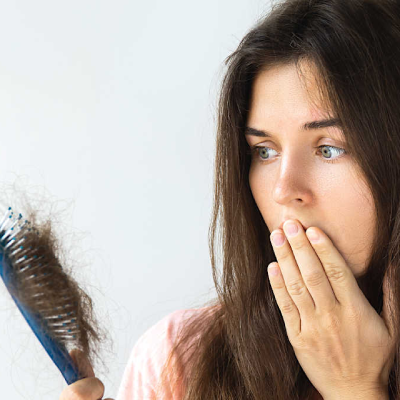
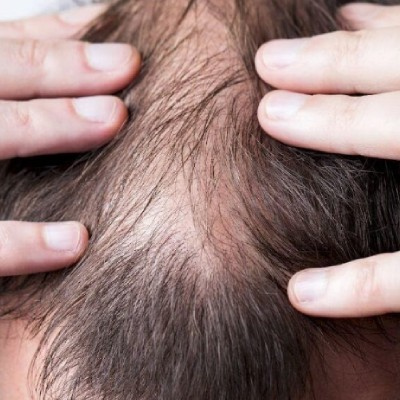
Notice more scalp than usual when you part your hair? You're not imagining it. Thinning often starts small: a hairline set slightly further back than last year, easy to brush off until it isn't. The good news is that hair thinning treatment options have moved well beyond one-size-fits-all fixes, and the best treatment for hair thinning comes down to matching the right approach to your scalp. This guide lays out the surgical and non-surgical routes, so you walk into a consultation informed.
Understanding Hair Thinning
Thinning rarely has a single cause. It usually builds up from several factors acting on the scalp at once:
- Genetic pattern hair loss diagnosis in both men and women
- Hormonal shifts, including thyroid changes and postpartum effects
- Chronic stress and disrupted sleep
- Iron or protein deficiencies
- Harsh styling and frequent chemical treatments
Left alone, thinning tends to progress rather than plateau. Catching it early keeps more hair-thinning solutions on the table, since non-surgical options work best before density drops too far.
How Is Hair Thinning Diagnosed?
Diagnosis comes first, always, before any treatment plan gets decided. At AHS India, that means starting with a scalp exam and trichoscopy, in which the scalp is magnified to assess follicle density. You'll also get asked about family history, diet, and hormonal changes. Hair thinning is rarely about just one thing.
Skipping this step is like treating a symptom without knowing the cause. The right hair restoration treatment depends on what a proper assessment reveals about your case.
Non-Surgical Treatments for Hair Thinning
For early-to-moderate thinning, non-surgical hair restoration is often the sensible starting point among today's hair-thinning solutions.
Medications for Hair Thinning
Topical and oral options remain a common first-line defence. They support the natural hair growth cycle and slow shedding, but need consistent, long-term use and suit early-stage thinning best.
PRP (Platelet-Rich Plasma) Therapy
During PRP therapy, blood is drawn from your body and placed in a centrifuge that separates the growth factors. The growth factors are then returned to the balding regions of your scalp. The intent is to stimulate the dormant follicles and promote thicker hair in multiple sessions. Being a product of your own body makes it safe and easy to use, and therefore a great place to begin if you're new to hair regrowth treatment.
Low-Level Laser Therapy (LLLT)
Low-level laser therapy uses red light to stimulate cellular activity in the scalp. It's thought to improve circulation and help follicles stay healthier. It's painless, needs no downtime, and fits into a normal routine, though results build gradually over months. Most specialists position low-level laser therapy as part of a broader set of hair-thinning solutions rather than a stand-alone fix.
Non-Surgical Hair Replacement
For those who want a visible change right away, non-surgical hair replacement is worth considering. These custom-made cosmetic hair systems match your natural colour, density, and texture, so the result blends in rather than looking like an obvious addition.
Lifestyle and Nutritional Support
Daily habits do affect hair health, but they only go so far, and it's worth being upfront about that.
- Protein, iron, and key vitamins support the strands you have
- Cutting stress and tight hairstyling reduces strain on the scalp
- Good nutrition supports existing hair, but cannot regrow bald areas
Think of these habits as a foundation for other treatments, not a replacement for them.

Surgical Treatments for Hair Thinning
When thinning has progressed significantly or non-surgical options haven't provided sufficient density, a hair transplant for thinning hair becomes a reasonable next step.
Hair Transplant Surgery
A hair transplant for thinning hair works by relocating healthy follicles from areas resistant to thinning, usually the back and sides, into areas where density has dropped. Because these follicles retain their original growth pattern, this form of surgical hair restoration blends in naturally and continues to grow for life. Interest in this hair regrowth treatment has grown steadily across India as techniques have become more refined.
FUE Hair Transplant
An FUE hair transplant, aka Follicular Unit Extraction, removes individual follicle one at a time and places them precisely where needed. Because no strip of skin is removed:
- The donor's mark remains low and fragmented.
- Easy to hide, even when they have short haircuts
- Recovery is faster than other surgical procedures
FUT Hair Transplant
An FUT hair transplant, or Follicular Unit Transplantation, takes a different approach. A scalp strip is removed from donor region, and its follicles are separated before implantation:
- Can yield a higher follicle count in a single session
- Suits more extensive thinning that needs greater coverage
- Leaves a linear donor mark, usually well hidden by surrounding hair
Surgical vs Non-Surgical Hair Thinning Treatments
| Factor | Non-Surgical Options | Surgical Options |
| Invasiveness | Minimal to none | Involves a procedure |
| Best suited for | Early to moderate thinning | Moderate to advanced thinning |
| Results | Gradual, needs upkeep | Long-term, grows naturally |
| Recovery | Little to none | Short recovery period |
| Commitment | Ongoing sessions | Largely a one-time procedure |
Neither route is universally right. It depends on how advanced the thinning is, what result you want, and what your scalp assessment shows.
How to Choose the Right Treatment for You
A few honest questions can guide the decision:
- Is the thinning still progressing or has it stabilised?
- Do you want a quick visual change, a long-term result, or both?
- Can you commit to ongoing sessions, or prefer a one-time procedure?
- What did your scalp assessment reveal about the cause?
There isn't a single best treatment for hair thinning that applies to everyone. Whether the right path is PRP therapy for hair thinning, a hair transplant for thinning hair, or another hair regrowth treatment, a consultation with a specialist who examines your scalp directly beats generic advice online.
Talk to AHS India About Your Hair
Hair thinning can feel personal, and it's fair to want clear answers before committing to anything. At AHS India, every consultation starts with a scalp assessment rather than a sales pitch, and the hair restoration treatment that follows, whether PRP therapy for hair thinning, low-level laser therapy, non-surgical hair replacement, or an FUE or FUT hair transplant, is based on what that assessment shows. If thinning has been on your mind, reach out and find the best treatment for hair thinning for you.


Stay Updated
Subscribe to our email newsletter for helpful tips and valuable resourses
Be an influencer
Join forces with Advanced Hair Studio! Explore exciting collaboration opportunities tailored for influencers. Let's redefine haircare together.
Connect now
