Male Pattern Baldness & Hair Loss in Men
26 June 2026
Hair Experts @ AHS
Hair loss is one of the most common concerns men face, yet it remains one of the most misunderstood. A few extra strands on the pillow, a widening part line, or a hairline that looks slightly different in photographs, these things are easy to brush off at first. Over time, though, the changes become harder to ignore, and for many men, they start to affect more than just appearance.
In most cases, the underlying cause is Male Pattern Baldness, a progressive condition that changes how hair grows and regenerates. It is common, but it does not follow a single script. Some men notice a receding hairline in their twenties. Others see a gradual thinning around the crown that takes years to become obvious. The pace varies too; some experience rapid changes, while others see very little progression for long stretches.
The options available today are broader than they used to be. Depending on how early the condition is caught and how far it has progressed, approaches can range from hair growth treatments and early intervention strategies to non-surgical restoration and hair transplant procedures.
Knowing why hair loss happens makes it easier to evaluate those options. This guide covers the causes, signs, diagnosis, and treatments for Male Pattern Baldness, and helps you determine when it makes sense to speak with a specialist.
What Is Male Pattern Baldness?
Male Pattern Baldness is common cause of Hair Loss in Men. Doctors call it Androgenetic Alopecia. It's hereditary, so the follicles are wired from birth to shrink. Each cycle, the hair that grows back is a bit thinner and a bit shorter, until, at some point, it just doesn't grow back at all.
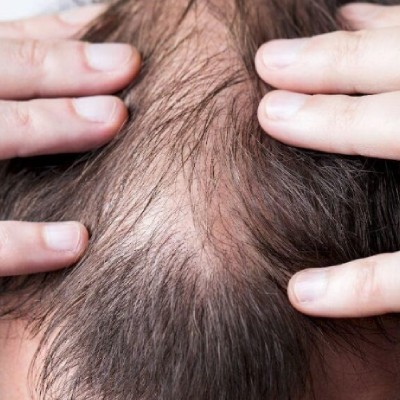
Unlike temporary shedding from illness, diet, or seasonal changes, this type of hair loss follows a pattern you can track. It typically starts at the temples, the crown, or both. The follicles keep shrinking as they progress, density thins out, and the scalp gradually shows through.
Another problem with recognising Male Hair Loss early is that it occurs gradually. When it comes to hair loss, many men will experiment with different looks and styles to deal with minor hair thinning, but only get concerned when it becomes more noticeable.
How Common Is Hair Loss in Men?
- Hair Loss in Men is far more prevalent than most people realize. It can affect men at different stages of life and often begins earlier than expected.
- Age plays a role in hair density, but Male Pattern Baldness is primarily a matter of genetics and hormonal sensitivity, not simply getting older. That is why one man can notice thinning in his mid-twenties while another maintains good density decades later.
- How men respond to it emotionally is just as variable. For some, it is a cosmetic concern and nothing more. For others, it quietly affects confidence, how they feel in social situations, and how they see themselves day to day. Understanding what is actually happening and exploring Hair Loss Solutions for Men can help, as it is harder to feel in control of something you have not yet made sense of.
Understanding Androgenetic Alopecia
Androgenetic alopecia happens when follicles that are genetically sensitive to certain hormones start to shrink over time. As they do, the natural growth cycle shortens, and the effects gradually become visible:
- Hair strands get finer
- Growth slows down
- Density drops
- The scalp becomes more visible
It's a slow process, which is part of why it's easy to miss in the early stages. But the earlier it's caught, the more options there are to work with.
Why Male Pattern Baldness Progresses Over Time
- Hair follicles work in cycles of growth, transition, rest, then repeat. In men with Male Pattern Baldness, those cycles gradually shorten. Each round of growth produces a thinner strand than the one before it. Over time, some follicles stop producing visible hair entirely.
- That process of follicular miniaturization is why untreated Male Hair Loss tends to become more noticeable with each passing year rather than remaining stable.
- It also explains why early action is often recommended as part of a Hair Loss Prevention for Men plan. The follicle has not necessarily failed yet, but the window to work with it does not stay open indefinitely.
Causes of Hair Loss in Men
Understanding Causes of Male Pattern Baldness is essential because successful management begins with identifying the factors contributing to hair loss. Genetics plays the biggest role, but it's rarely the only factor at play.
1. Genetics and Family History
Of all the Causes of Male Pattern Baldness, genetics carries the most weight. A family history of hereditary hair loss does increase the risk of experiencing similar hair loss, as it shapes how follicles respond to hormones and sets the pace of miniaturization.
But it is not a straightforward inheritance. Two brothers from the same family can end up with very different outcomes, patterns, severities, and timelines. Hereditary hair loss is a predisposition, not a fixed blueprint.
2. Hormonal Factors and DHT
Hormones are a significant part of what drives Male Pattern Baldness. Dihydrotestosterone DHT is the one most closely associated with the condition. In genetically predisposed men, DHT targets susceptible follicles and gradually shrinks them. As the follicles shrink, the hair they produce gets finer, coverage thins, and the loss becomes more visible over time. That's why hormones are such a central part of Male Pattern Hair Loss Treatment: what you see thinning out is really just the last stage of something that's been happening underneath for a while.
3. Stress, Lifestyle, and Environmental Triggers
Stress alone won't cause hereditary hair loss, but it can undermine your hair's overall health and worsen existing issues. A few everyday habits can add to shedding or leave hair looking thinner and duller:
- Inadequate sleep
- Chronic stress
- Poor nutrition
- Smoking
- Excessive alcohol consumption
- Exposure to pollution
- Frequent chemical processing
None of these factors will cause Male Pattern Baldness on its own. But pile them on top of a hair growth cycle that's already under pressure, and you'll likely notice thinning happening faster than you'd expect.

Medical Conditions Linked to Hair Loss
Hair loss isn't always just genetics or age. In a few cases, an underlying medical condition is quietly driving the problem or making existing concerns more noticeable than they would otherwise be. Getting to the root of that is often what separates a treatment plan that works from one that doesn't.
Some of the more commonly associated factors include:

Hair loss rarely has a single, obvious cause, which is why a professional assessment is worth more than most people expect. It takes the guesswork out of choosing a treatment direction.
Can Lifestyle Habits Accelerate Hair Loss?
Lifestyle choices cannot change your genetics, but they do affect scalp and hair condition. A reasonable diet, decent sleep, regular exercise, and manageable stress all support overall hair health.
None of that will reverse areas that have already undergone hereditary loss; it does not work that way. But healthier growing conditions are still worth maintaining, particularly if you are working alongside a professional Hair Treatment plan.
Early Signs and Stages of Male Pattern Baldness
Recognizing Early Signs of Male Pattern Baldness may help individuals explore treatment options before extensive thinning occurs.
Many men dismiss the initial changes because they appear gradually. However, early recognition often provides a wider range of Men's Hair Restoration Solutions.
1. Receding Hairline
A receding hairline is usually one of the first things to show up with Male Pattern Baldness. It tends to start at the temples, gradually pushing the hairline back and giving the forehead a more defined shape. Because the shift is slow, it is easy to miss in the early stages; most people only notice it when they compare old photos.
Men who notice changes in their frontal hairline often look into Receding Hairline Treatment to understand their options before things progress further.
2. Thinning at the Crown
Crown Hair Loss in Men can develop on its own or alongside a receding hairline. The density in that area starts to decrease, which is more apparent under bright lighting. Since the crown is not easy to see during a regular mirror check, thinning there can go unnoticed for quite a while.
Taking periodic photographs of the crown is a simple way to track changes that might otherwise be overlooked.
3. Excessive Hair Shedding
Losing some hair daily is normal. It's part of the growth cycle and rarely worth worrying about on its own. What's worth paying closer attention to is when the shedding doesn't let up and starts showing up as visible thinning in places it wasn't before.
The sooner these changes are noticed, the more options there tend to be. Hair loss is almost always easier to address when it's caught early rather than after significant ground has already been lost.
Some common signs include:
- Increased hair accumulation during washing Noticeable shedding on pillows Reduced hair volume Difficulty achieving previous hairstyles
- Increased hair accumulation during washing
- Noticeable shedding on pillows
- Reduced hair volume
- Difficulty achieving previous hairstyles
If these symptoms are present with the thinning, a professional evaluation may be helpful.
4. Understanding the Norwood Scale
The Male Pattern Baldness is charted using the Norwood Scale, which is similar to a stage-by-stage look at the progress of the baldness. It looks at:
- Hairline recession
- Crown involvement
- Overall pattern of loss
- Progression stage
This assessment provides valuable insight when planning a Hair Restoration Treatment strategy and determining suitable management options.
Why Early Action Matters
One of the more common misconceptions about male hair loss is that treatment is only worth considering once significant baldness has set in.
In practice, preserving the hair you still have is often just as important as addressing areas that have already thinned. Waiting until loss is advanced narrows the options considerably.
Early consultation allows specialists to:
- Assess follicle health
- Evaluate progression patterns
- Identify contributing factors
- Discuss Hair Loss Solutions for Men
- Develop a personalized treatment roadmap
Because Male Pattern Baldness is progressive, delaying intervention may reduce the number of available options over time.
How Male Pattern Baldness Is Diagnosed
Getting the diagnosis right is where any effective hair restoration plan has to begin. Not all hair loss traces back to genetics, and assuming it does can lead treatment in the wrong direction entirely. Understanding what's actually driving the thinning is what makes it possible to put together a plan that's genuinely suited to the individual.
1. Clinical Examination
The diagnostic process begins with detailed consultation.
- The specialist goes through:
- Hair loss history
- Family history
- Lifestyle and medical background
- Hair care habits
- How the loss has progressed
The goal is to understand not just what's visible, but what's driving it.
2. Scalp and Hair Analysis
A scalp assessment gives a clearer read on follicle activity, scalp health, and hair density. It helps identify:
- Areas where thinning is active
- Follicular miniaturisation
- Density variations
- Scalp health concerns
- Hair growth patterns
For hair restoration, these details matter more than most people realise. The condition of the follicles and scalp often determines what a professional can and can't recommend.
3. Understanding Hair Density and Follicle Health
- Current hair coverage
- Stability of hair loss
- Areas requiring attention
- Potential treatment pathways
This way, specialists can suggest treatments that actually fit the person, taking into account their goals, lifestyle, and extent of their hair loss.
Understanding the extent of the loss and the state of the scalp also helps the individual know what's realistically possible and make clearer decisions about where they want to go from here.
Hair Loss Treatment Options for Men
After a diagnosis, many men want to know whether their hair loss can actually be treated. The honest answer is: it depends. The right approach for any one person hinges on what's causing the loss, how far it's progressed, and the current condition of the remaining follicles.
There's no universal solution here. A sensible treatment plan usually needs to address both what's visibly happening and what's driving it beneath the surface. Some men just want to hold onto what they have. Others want more density, a cleaner hairline, or fuller restoration. Those are different goals, and they call for different approaches. That's precisely why treatment planning has to be personalized from the start.
1. Medications and Topical Treatments
Medical treatments tend to come into the picture early, when Male Pattern Baldness is still in its beginning stages. The goal at that point is usually to slow things down and help retain whatever hair is still there. How well medications and topical treatments work varies widely from person to person, depending on age, genetics, and the extent of follicular miniaturization that has already occurred.
One thing worth understanding upfront: these treatments work by supporting follicles that are still active. Once a follicle has gone dormant and stopped producing visible hair, medication alone is unlikely to restore coverage in that area. That's why most doctors view medical management as one piece of a larger strategy, not the whole answer.
2. PRP Therapy
PRP therapy comes up fairly often when men start exploring hair regrowth options. The process draws on the patient's own blood, isolates the platelet-rich plasma, and introduces it into targeted areas of the scalp. The idea is to create conditions that encourage the follicles already present to perform better.
It's typically considered when follicles are still active but visibly struggling. Think thinning rather than gone. Like most hair growth treatments, results aren't uniform. How well it works depends on where someone is in their hair loss journey, the current health of their follicles, and what else is part of their overall plan.
3. Laser Hair Therapy
Laser-based treatments have earned a more prominent place in hair restoration over the years, and Advanced Hair Studio India's Advanced Laser Therapy is one of the more established options in this space. It works by stimulating the scalp and supporting follicular activity, without any surgery involved.
That non-invasive aspect is a big part of why many men gravitate toward it. It fits naturally into a broader treatment plan without adding complexity or recovery time.
Laser therapy is often considered for individuals who are experiencing:
- Diffuse thinning
- Early-stage Male Hair Loss
- Reduced hair density
- Hair weakening across larger scalp areas
The treatment is usually considered a long-term hair management plan rather than a “cure.” This is not an approach to be taken lightly or without professional advice.

4. Non-Surgical Hair Restoration Solutions
Surgery isn't the right fit for everyone, and that's completely valid. It's one of the main reasons non-surgical hair restoration continues to draw so much interest.
AHS India offers non-surgical hair replacement solutions built around one core goal: restoring the appearance of fuller hair in a way that looks natural. No surgical intervention, no dependency on donor hair availability. For men dealing with advanced thinning or significant loss, that opens up a real alternative when surgical routes aren't viable or simply aren't wanted.
Some of the reasons individuals explore non-surgical hair restoration include:
- Immediate cosmetic improvement
- No surgical procedure
- Personalized design and fitting
- Natural appearance goals
- Flexibility for different stages of hair loss
As part of modern Men's Hair Restoration Solutions, non-surgical approaches continue to play an important role for individuals seeking effective cosmetic outcomes.
5. Hair Transplant
For the right candidates, a hair transplant is one of the most proven ways to address Male Pattern Baldness. The concept is simple enough: healthy follicles are taken from donor areas and placed where thinning or loss has already occurred.
Whether someone qualifies comes down to a few key factors. How much viable donor hair is available, the current condition of the scalp, and the specific pattern of loss all play a role in determining what's possible.
AHS India's Strand-by-Strand Ultimate® is built around natural-looking results and a treatment approach that's shaped around the individual, not a one-size-fits-all template.
When considering a hair transplant, several factors are evaluated:
- Extent of hair loss
- Donor area quality
- Hair characteristics
- Long-term hair loss progression
- Individual expectations
It's not just cosmetic. A hair transplant is a long-term commitment, and going in with realistic expectations makes all the difference.
Hair Restoration vs Hair Transplant: Which Is Right for You?
A lot of people use the terms "hair restoration" and "hair transplant" interchangeably. They don't, and the distinction is worth understanding before exploring treatment options.
Think of hair restoration as the umbrella. Underneath it sits a range of approaches, both surgical and non-surgical, each designed to tackle hair loss from a different angle. A hair transplant for men is one specific option within that category. The two terms are used all the time interchangeably, but they're not the same thing.
The following comparison helps illustrate the difference:

When Hair Restoration May Be Suitable
Hair restoration for men may be indicated in situations where:
- Hair loss has been ongoing.
- Existing hair should be supported.
- Surgery is not recommended.
- Various treatment streams are being evaluated.
Hair restoration covers a broad range of options, both surgical and non-surgical, depending on what someone is looking to achieve.
When Hair Transplant May Be Considered
Men may consider a hair transplant if:
- Hair loss has slowed down.
- Good quality donor hair is available.
- The hairline is to be reconstructed.
- Some locations need to be enhanced in density.
A professional assessment is necessary, as suitability is individual and not everyone is suitable.
Factors That Influence the Right Choice
Choosing the right option comes down to a few key factors:
- Age
- Hair loss pattern
- Donor hair quality
- Hair characteristics
- Lifestyle preferences
- Long-term goals
That's why consulting a hair restoration clinic is usually the first step toward building a plan that actually fits.
When Should You See a Hair Specialist?
Most men don't think about hair loss until it's hard to ignore. But catching it early opens up more options, both for slowing it down and for treatment.
Signs You Should Not Ignore
It's worth speaking to a professional if you notice:
- A receding hairline
- Persistent thinning at the crown
- Increasing scalp visibility
- Excessive daily shedding
- Reduced hair density
- Changes in hair texture
Any of these could point to active progression and are worth getting assessed sooner rather than later.
Benefits of Professional Hair Analysis
A professional can catch things that self-assessment often misses. A consultation covers:
- What's causing the loss
- How far has it progressed
- Follicle health
- Treatment options worth exploring
- What's actually suitable for that individual
It cuts out the guesswork and replaces it with advice that fits the person's specific pattern and goals.
Frequently Asked Questions About Male Hair Loss
1. Is Male Pattern Baldness Reversible?
It really depends on where someone is in their hair loss journey and what's driving it. When follicles are still active, the right treatment approach can help retain existing hair and improve the appearance of thinning areas. Once follicles stop producing visible hair, the options shift toward restoration rather than retention.
The earlier the evaluation, the more doors tend to be open. Waiting until loss becomes advanced almost always narrows what's possible.
2. What Is the Best Age for Hair Restoration?
There's no universal answer here. The right time for hair restoration comes down to:
How far has the loss progressed
Follicle health and hair density
What the individual is hoping to achieve
A proper assessment is the only way to know when the timing actually makes sense.
3. Are Hair Transplants Permanent?
Transplanted hair comes from donor follicles that are genetically resistant to the kind of loss that caused thinning in the first place, which is why results tend to hold up well over time. That said, how well they hold up still depends on donor hair quality, the care with which the treatment was planned, and the care taken afterward. These aren't minor details. A proper consultation is what puts honest expectations on the table before anything else.
4. How Long Does It Take to See An Outcome?
There's no set timeline. Hair grows in cycles, so changes take time, whatever the approach. Regrowth therapy, laser treatments, and surgical restoration - progress is gradual across the board. Patience isn't optional here.
Take the Next Step: Advanced Hair Studio India
Male Pattern Baldness is progressive, but it is not a verdict. Understanding what drives it, spotting the signs early, and getting a professional opinion gives you real options rather than guesswork. Hair Regrowth treatments, Hair Growth Treatment plans, and Advanced Hair Restoration procedures have all developed considerably, though the right path still depends on the individual, the pattern of loss, follicle health, and what you actually want in the long term.
Advanced Hair Studio India offers Advanced Laser Therapy, Non-Surgical Hair Restoration, and Hair Transplant procedures through Strand-by-Strand Ultimate®. If you have noticed a receding hairline, Crown thinning, or persistent loss in other areas, a consultation can clarify what is and is not possible for your case, which is a better starting point than reading about options in the abstract.
Stay Updated
Subscribe to our email newsletter for helpful tips and valuable resourses
Be an influencer
Join forces with Advanced Hair Studio! Explore exciting collaboration opportunities tailored for influencers. Let's redefine haircare together.
Connect now