


How to Reduce Cortisol Levels to Stop Hair Thinning

05 November 2025

Hair Experts @ AHS

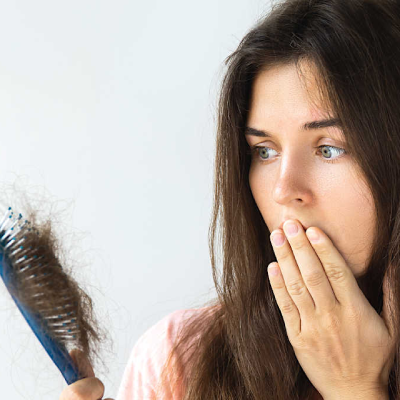
Hair thinning can feel deeply personal. Hair loss isn't just about what you see in the mirror—it can really mess with your confidence, your social life, and even how you show up at work. There are tons of reasons why people lose hair, but one that doesn't get talked about enough is stress. When you're stressed out, your body pumps out cortisol, and too much of that hormone throws off your normal hair growth cycle. Before you know it, you're finding more hair in the shower drain than you'd like.
If you are struggling with hair fall and suspect stress could be the cause, you are not alone. The good news is that there are practical steps to manage this condition. By learning how to reduce cortisol levels, you can take a step toward protecting your hair health. Let us understand this connection more closely.
What Is Cortisol?
Cortisol is mostly referred to as the “stress hormone.” It gets produced in the adrenal glands and is released whenever your body experiences physical or emotional stress. In normal amounts, cortisol helps regulate energy, metabolism, and even immunity.
But if you are stressed out a lot, your cortisol levels can stay high all the time. This imbalance could make the skin and scalp unhealthy, preventing hair from growing naturally. These effects can cause hair loss, underscoring the importance of learning to manage stress.
How Does Cortisol Start Hair Loss?
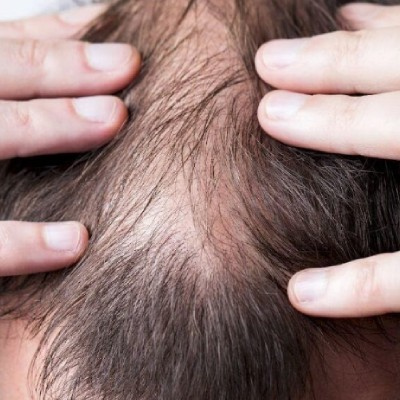
Cortisol and hair loss are deeply linked. When cortisol levels stay high, they can mess up the natural rhythm of hair growth in your body, telling your hair follicles to "take a break" long before they should. This disruption causes hair to cease growing and shed earlier than its normal cycle would dictate. It's important to understand how this works because long-term stress can really hurt your hair. Long-term stress slows blood flow to the scalp, so hair follicles don't get the oxygen and nutrients they need to grow hair properly. When these conditions persist for a long time, hair roots may weaken, leading to hairline recession, female pattern baldness, or even androgenic alopecia in some cases. This is why just using hair care products won't help with hair loss caused by high cortisol levels. It also needs to lower stress levels and restore the body's balance.
Signs Your Hair Loss Could Be Stress-Related
How do you know if your hair loss from stress is the real issue? Some signs include:
1. Shedding suddenly or too much after a stressful event
2. Thinning all over the scalp instead of in patches
3. A noticeable drop in the thickness of your ponytail or hair volume
4. Slowly losing hair without a strong family history of baldness.
If these sound familiar, it may be stress-related hair loss. In such cases, finding a solution to hair fall that focuses on both stress management and scalp health becomes crucial.
Diagnosing Cortisol-Related Hair Loss
Since many reasons can cause hair loss, it is important not to self-diagnose. A hair expert in your area can look at your hair loss and see if cortisol is making it worse. The process of diagnosing usually includes:
1. Reviewing your medical history and stress levels
2. Checking your scalp condition and hair loss pattern
3. Recommending tests if a hormonal imbalance is suspected
How to Reduce Cortisol and Prevent Hair Thinning

1. Practice Stress-Reduction Techniques
Meditation, breathing exercises, and yoga are all simple ways to relax that can lower cortisol levels. A few minutes a day can make a notable difference. These methods not only relax the mind, but they also help create the right environment on the scalp for hair to grow back.
2. Adopt a Cortisol-Balancing Diet
What you eat can change how stressed you feel. Eating a balanced diet including fresh vegetables, whole grains, lean proteins, and nuts can help keep hormones in check. Reducing processed foods, caffeine, and sugar consumption can balance cortisol levels. This helps both your overall health and the health of your hair over time.
3. Improve Sleep Quality
One of the main factors that raises cortisol levels is not getting enough sleep. Your body can fix itself while you sleep, including the hair follicles. Following a regular bedtime routine, avoiding screens late at night, and getting enough sleep can all help hair regrowth treatments work better.
4. Exercise — But Don’t Overdo It
Moderate physical activity is an amazing way to reduce cortisol levels. Exercise improves circulation and delivers more nutrients to the scalp. However, intense or excessive workouts may actually raise cortisol levels rather than lower them. Balanced activities, such as brisk walking or light strength training, are ideal for those seeking to naturally prevent hair loss.
5. Scalp Care and Hair Treatments
Taking care of the scalp is often underestimated. Regular cleaning, gentle massage, and proper hydration improve blood flow and follicle health. A healthy scalp makes roots stronger and can slow down hair loss at the hairline. These steps, along with professional hair care advice, make up a complete plan for dealing with hair loss.
6. Consult a Hair Specialist
If hair loss due to stress doesn't stop after making changes to your lifestyle, you should see a professional. A qualified hair specialist can provide expert advice tailored to your situation. They can offer solutions that range from personalised treatment plans to advanced hair restoration procedures. Professional advice ensures that conditions such as alopecia areata, baldness, or female pattern baldness are managed effectively.
Final Thoughts
Stress is a normal part of life, but it doesn't have to harm your hair health. Taking action early to stop hair loss caused by cortisol can help keep the scalp healthy, boost self-esteem, and encourage hair growth. There are advanced clinical solutions for people who are losing a lot of hair or have bald spots that are easy to see.
AHS’s clinical expertise spans a full range of hair regrowth solutions for both men and women, including state-of-the-art transplant procedures. Each treatment plan is meticulously designed to address the individual needs and circumstances of every client.
Stem Cell Therapy and PRP (Platelet-Rich Plasma)
These new treatments help your hair grow back by waking up dormant follicles and making your scalp a healthier place for growth. They work together with the good things you're doing in your daily life to fix the damage that stress hormones do to your hair.
Long Hair Transplant (No Shave FUE)
A hair transplant is a permanent solution for people who are losing or thinning hair, restoring what they've lost. The long-hair transplant method provides visible results without the need to shave the donor area. Hair transplant surgery in India has advanced significantly, resulting in more natural-looking and discreet procedures.
Key Takeaway
Stress-related hair loss is something you can deal with. You can naturally address hair loss and rebuild your confidence through effective stress management, proper nutrition, and professional guidance. For those seeking expert consultation and exceptional care—whether exploring hair transplant costs in India or researching proven hair regrowth treatments—AHS India offers comprehensive support. As an established leader in hair restoration, they have built a strong reputation as a trusted partner for individuals pursuing sustainable, long-term solutions to hair loss.



Stay Updated
Subscribe to our email newsletter for helpful tips and valuable resourses
Be an influencer
Join forces with Advanced Hair Studio! Explore exciting collaboration opportunities tailored for influencers. Let's redefine haircare together.
Connect now
