


Common Mistakes People Make Before Starting Hair Restoration

23 April 2026

Hair Experts @ AHS

Hair restoration treatment is one of those decisions most people spend months, sometimes years, thinking about before they actually do anything. And while taking time to research is sensible, that waiting period often comes with a set of habits and assumptions that quietly make the journey harder than it needs to be. Some of these hair restoration mistakes are understandable. Others are simply the result of misinformation that has been circulating long enough to feel like common knowledge.
This blog covers the ones that come up most often, and what a more informed approach looks like instead.
Mistake 1: Waiting Until Hair Loss Becomes Impossible to Ignore
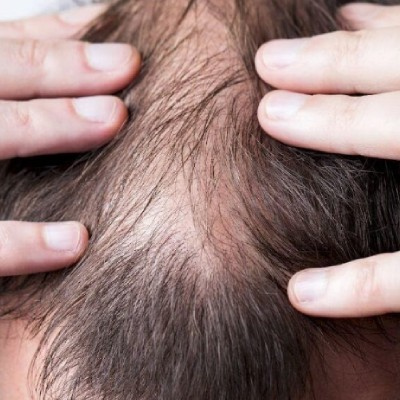
Hair loss rarely arrives with a clear warning. It tends to build slowly, and most people find reasons to dismiss the early signs until the thinning becomes genuinely difficult to work around. Here is why that delay matters more than most people realise:
Follicles in the early stages are still alive and responsive.
The longer they remain inactive, the less likely they are to respond well to treatment, whether surgical or non-surgical.
The numbers tell a clear story.
According to the Indian Journal of Dermatology, androgenetic alopecia affects approximately 58% of Indian men and up to 40% of Indian women by the age of 50, with prevalence climbing steadily in younger age groups. Progressive thinning is far more common than most people acknowledge, and far more manageable when caught early.
Waiting does not buy time; it costs options.
In most cases, hair loss does not stabilise on its own. Each month of delay quietly narrows the range of approaches that can realistically be offered when treatment eventually begins.
Mistake 2: Relying on Products Without a Proper Diagnosis
Shampoos, serums, oils, and supplements fill every pharmacy shelf and social media feed, and the appeal is completely understandable. They are easy to access, require no clinical involvement, and feel like a reasonable first step. The problem runs deeper than most people expect:
Hair loss is rarely one thing.
Hormonal shifts, genetic predisposition, chronic stress, scalp conditions, and nutritional deficiencies can all contribute, and they frequently overlap. No over-the-counter product is designed to address all of them simultaneously.
The wrong treatment for the wrong cause produces no meaningful result.
Months spent on a product that does not target the actual driver of your hair loss is time that could have been spent on something that does.
Self-treating can complicate a future detailed hair and scalp assessment.
When a specialist eventually evaluates your scalp, products used without guidance can sometimes mask or alter the presentation of the underlying condition, making accurate diagnosis harder than it needs to be.
A proper clinical assessment removes the guesswork entirely.
Understanding what is actually causing the hair loss is the only reliable foundation for choosing a treatment that has a genuine chance of working.
Mistake 3: Assuming All Hair Loss Clinics Offer the Same Thing
Choosing a clinic based solely on how close it is or how much it costs is another mistake that often becomes obvious later. Hair restoration is a specialised field, and the quality of assessment, the depth of diagnostic tools available, and the range of treatment options vary considerably between providers.

Pricing is a reasonable consideration, but it should not be the primary one. A treatment that does not address the right cause, or that is performed without adequate diagnostic groundwork, is unlikely to deliver satisfying results regardless of what it costs.
Mistake 4: Believing Nutrition Alone Can Reverse Hair Loss
Eating well genuinely does support hair health, and that part of the conversation is worth taking seriously. But there is a meaningful gap between supporting healthy hair and reversing hair loss through diet alone, and conflating the two is one of the more common reasons people delay getting the help they actually need.
Certain deficiencies do contribute to shedding.
Low levels of iron, vitamin D, zinc, and specific B vitamins are all associated with increased hair loss, and correcting those gaps can make a real difference for some people. According to the National Institutes of Health, nutritional deficiencies are recognised as a contributing factor in several forms of hair loss.
But diet cannot regenerate a follicle that has stopped producing hair.
Once a follicle has gone dormant due to genetic or hormonal factors, no amount of dietary adjustment will bring it back. That is simply not within the scope of what nutrition can do.
Treating food as a complete solution delays real intervention.
The months spent hoping a dietary change will reverse progressive thinning are months during which the right treatment could have been making a genuine difference.
Nutrition belongs in the picture, just not as the whole picture.
It supports the conditions for healthy hair growth, but it works alongside clinical treatment rather than in place of it.

Mistake 5: Dismissing Non-Surgical Options Without Understanding Them
Many people approach hair restoration with the assumption that surgery is the only route to meaningful results. This leads some to delay seeking help because they are not yet ready for a surgical procedure, while others pursue surgery when a non-surgical approach may have been entirely sufficient at their current stage of thinning.
Non-surgical options such as Advanced Laser Therapy and structured hair fitness programmes have a well-established role in managing early to moderate hair loss, supporting follicle health, and maintaining density over time. These are not temporary cosmetic fixes. When initiated at the right stage, they can meaningfully slow progression and, in some cases, support visible improvement in thickness and coverage.

What a More Considered Approach Looks Like
The common thread running through most of these mistakes is delay, whether it is delaying the first consultation, delaying a proper diagnosis, or delaying the point at which the right treatment actually begins.
A more productive starting point looks something like this:
- Seek a detailed hair and scalp assessment at the first sign of consistent or progressive thinning rather than waiting for it to become severe.
- Go into the assessment with realistic expectations, keeping in mind that hair restoration is a process, and that the results depend heavily on timing and your individual profile.
- Make sure you ask about all the options available at your current stage, including non-surgical ones, before deciding on any single treatment path.
- Understand that maintenance and aftercare are as important as the procedure itself in determining long-term results.
Hair restoration outcomes are shaped far more by the decisions made before treatment begins than most people realise. The good news is that better decisions are simply a matter of being better informed, and a thorough clinical consultation is the most reliable place to start.
Final Takeaway
There is rarely a perfect moment to start thinking about hair restoration treatment, but there is almost always a cost to waiting longer than necessary. Follicles that are still active today may not respond as well to treatment a year from now, and options that are available at an early stage gradually become fewer as thinning progresses. That is simply how hair loss works, and no amount of wishful thinking changes the biology behind it.
What does change things is an honest conversation with someone who knows the field well. Not a consultation designed to sell you something, but a proper assessment that tells you exactly where things stand and what can realistically be done about it. Most people who have gone through that process say the same thing: they wish they had done it sooner. Not because the outcome was dramatic, but because the clarity alone was worth it.
Disclaimer
The content in this blog is for informational and awareness purposes only and does not constitute medical advice. Hair loss shows up differently for everyone, and the right treatment depends on a proper clinical assessment by a licensed specialist. Results from hair restoration procedures can vary, as they’re influenced by factors unique to each individual.




Stay Updated
Subscribe to our email newsletter for helpful tips and valuable resourses
Be an influencer
Join forces with Advanced Hair Studio! Explore exciting collaboration opportunities tailored for influencers. Let's redefine haircare together.
Connect now
